
Year of the Allium

2027 is the Year of the Allium: Planting, Care, and Garden Ideas
Ornamental alliums are easy-to-grow, long-blooming bulbs with globe-shaped flowers that add height and attract pollinators to the late-spring garden. Browse allium pictures.
Overview and History
The genus Allium includes a variety of plants long grown for food. Onions, garlic, leeks, shallots, and scallions are all alliums. But when a gardener hears the word “allium,” what immediately comes to mind are flowers, specifically spring-flowering bulbs.
For much of the history of the flower bulb industry, the bulbous alliums were a small sideline. Only a few species were grown, none in large numbers. Things began to change with the introduction of a hybrid named ‘Globemaster’ in the early 1970s. Today, gardeners have a wide variety of alliums to choose from, with new hybrids and selections popping up all the time.
Basic Types of Allium
The bulbous alliums are a diverse group. What they have in common is that their flower heads are made up of countless individual florets. They are also among the latest of the spring-flowering bulbs to bloom. Their show begins as the last tulips fade. Some wait until early summer to flower.
Three Types of Alliums:
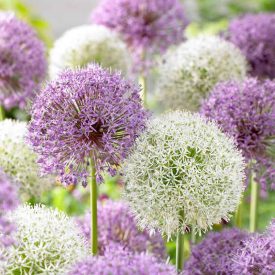
- Large ball-shaped flower heads, usually (but not always) on tall stems. This is what most people think of when they hear the word “allium.” They make dramatic accents in beds and borders. The flower heads come in various shades of lilac (from pale to purple) and white.
- Flower heads that have a flattened or dome shape, typically on tall stems. These alliums offer a different flower form, one that brings to mind an umbrella or a firework that sprays outward from a central point. They come in wine colors, some very dark, and white.
- Small flower heads in the shape of a ball or egg, generally on shorter stems. The smaller alliums are relatively inexpensive and fill a different niche in the garden—in or near the edge. Colors range from pink to wine-red to white. There are also blue and yellow species.
Special Offers
Ambassador Allium
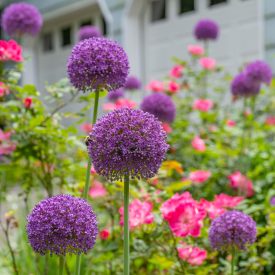
Ambassador produces 6-inch balls of tightly packed, purple flowers.
“Year of the Allium” Swag
Shop for “Year of the Allium” gifts, clothing and products on RedBubble.
Widely Available and Popular Allium
See photos of these and more in our Allium picture gallery.
Globemaster
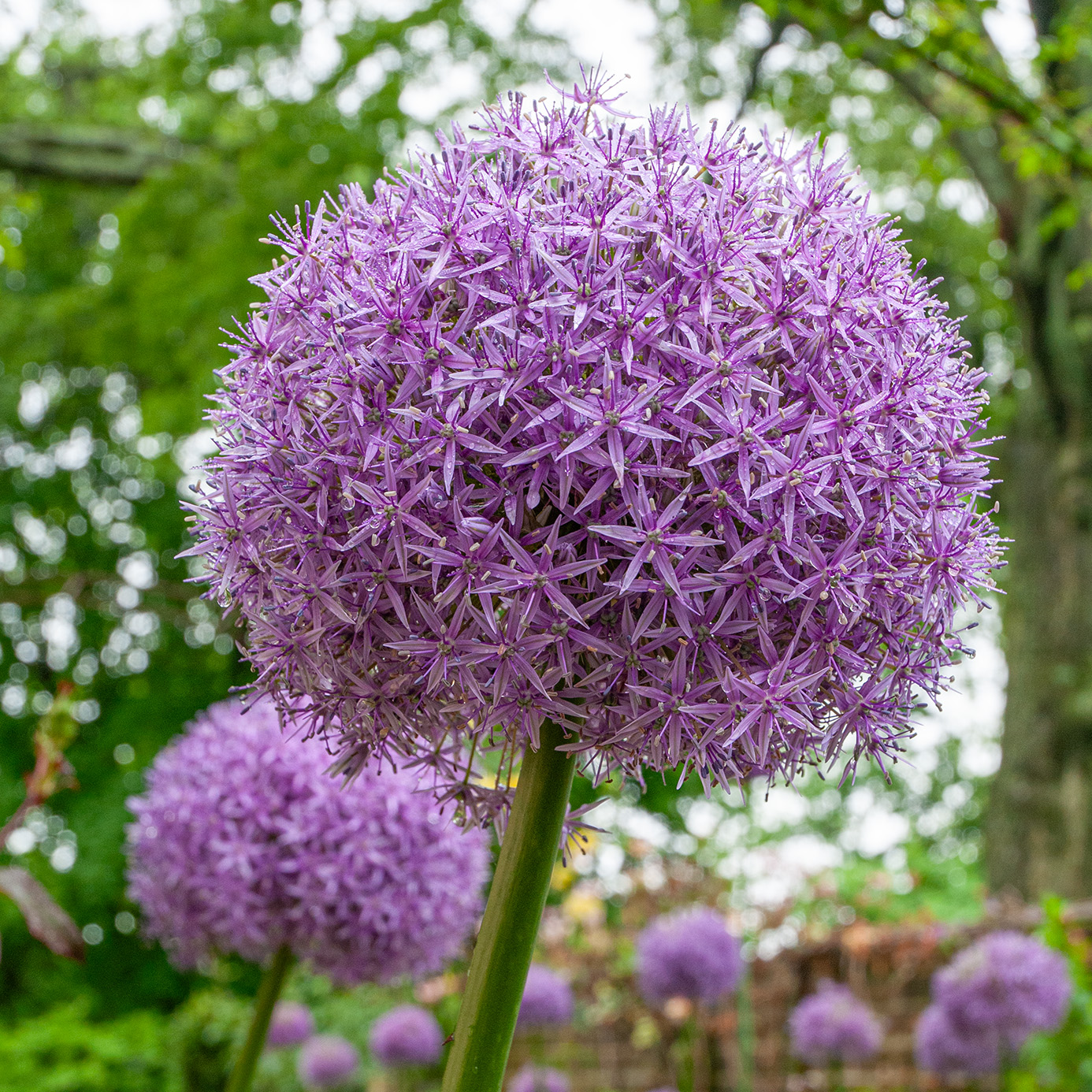
More than 50 years after its introduction, Allium Globemaster remains the king of the big alliums. First-year flower heads measure about 8 inches in diameter and are held aloft on 3-foot stems. The color is a silvery lilac.
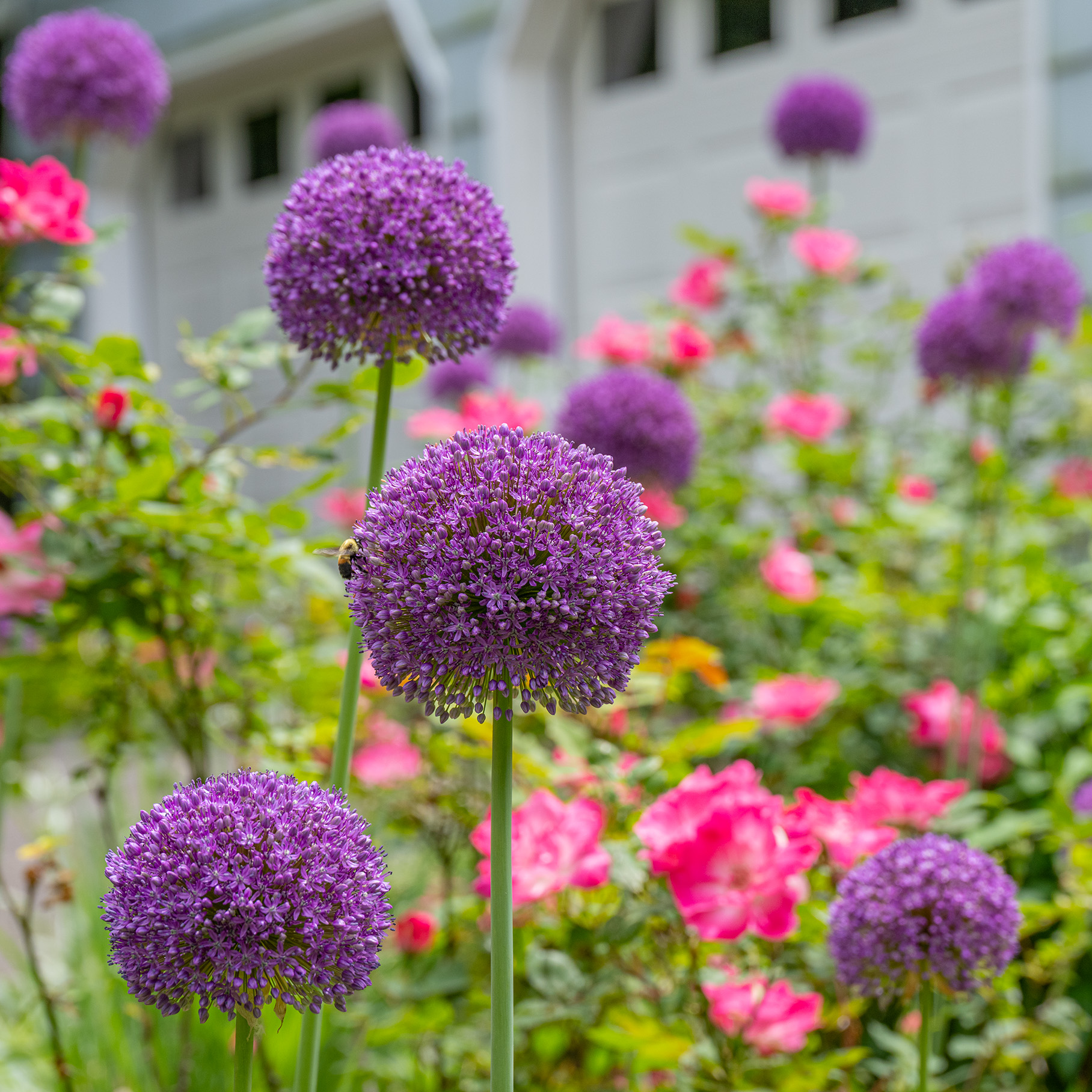
Ambassador
Perhaps the tallest and latest of the big balls on a stick. Grows to 4 feet and blooms with the first wave of roses. The flower heads are very densely packed and about 6 inches across. The color is a rich purple.
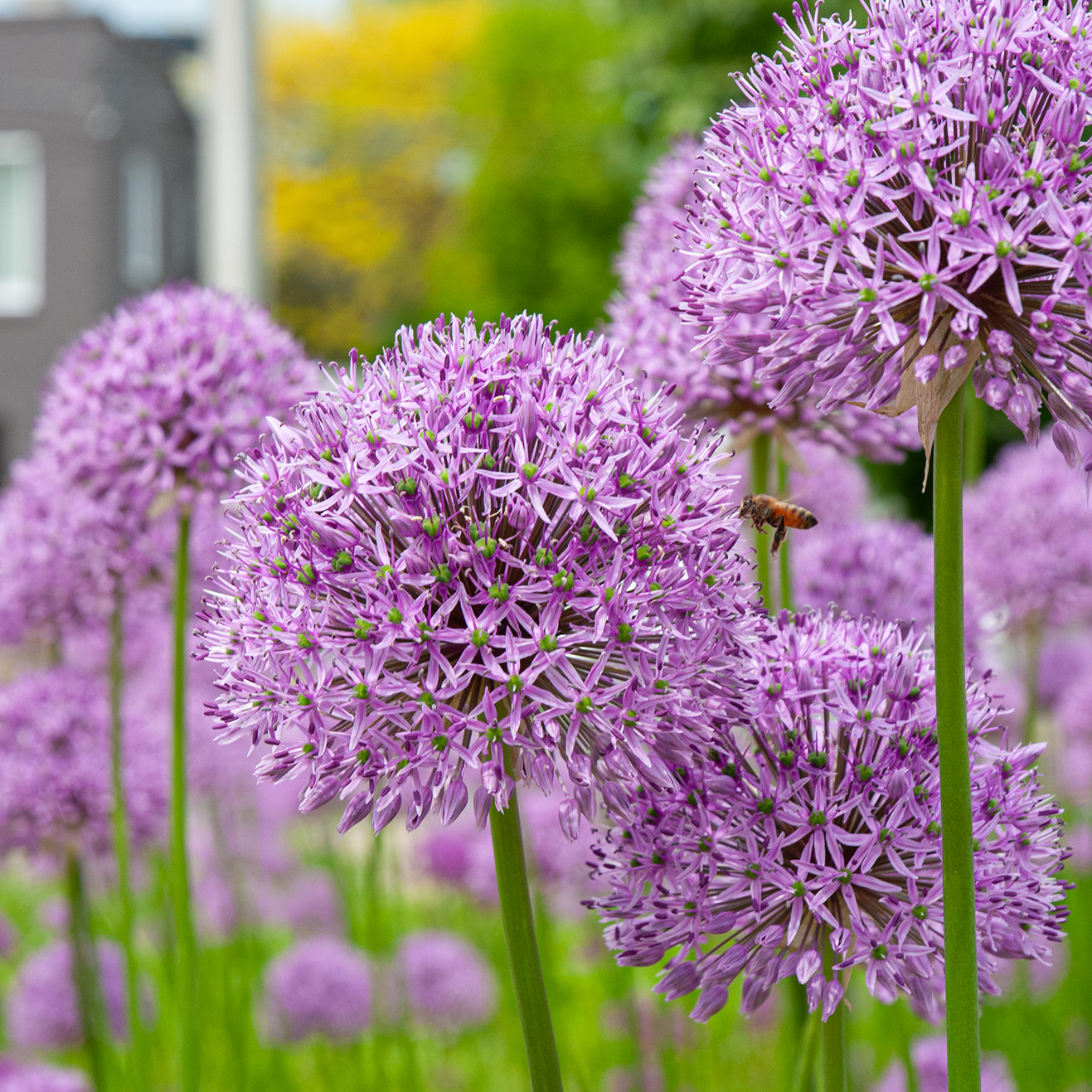
Gladiator
This Allium has 5-inch heads of lilac-pink flowers on stems that measure 42-46 inches. Similar in color to Globemaster, but blooms earlier.
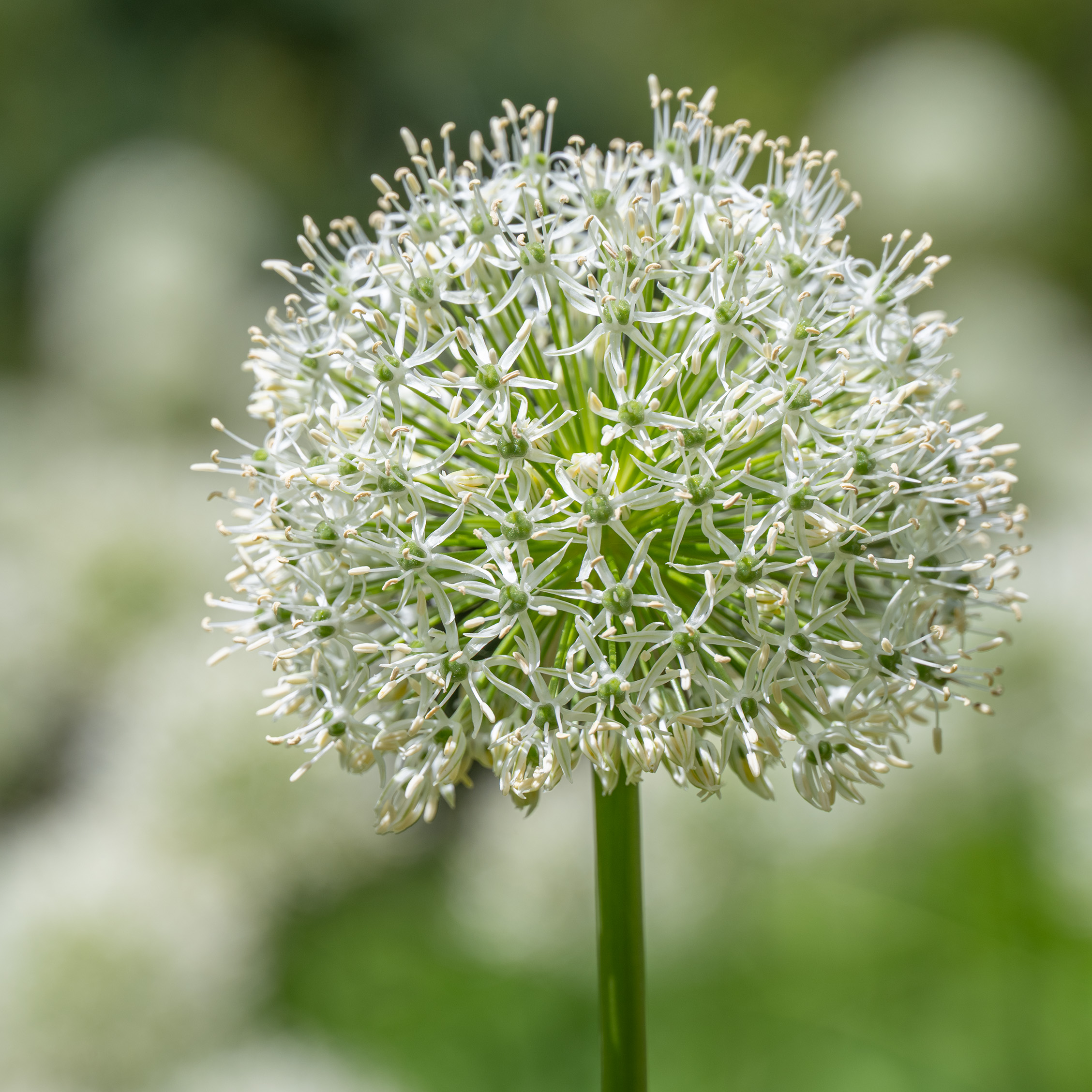
Mount Everest
Similar in size to Gladiator, but as the name suggests, the flower heads are white. These Allium flowers bloom a little later than Gladiator.
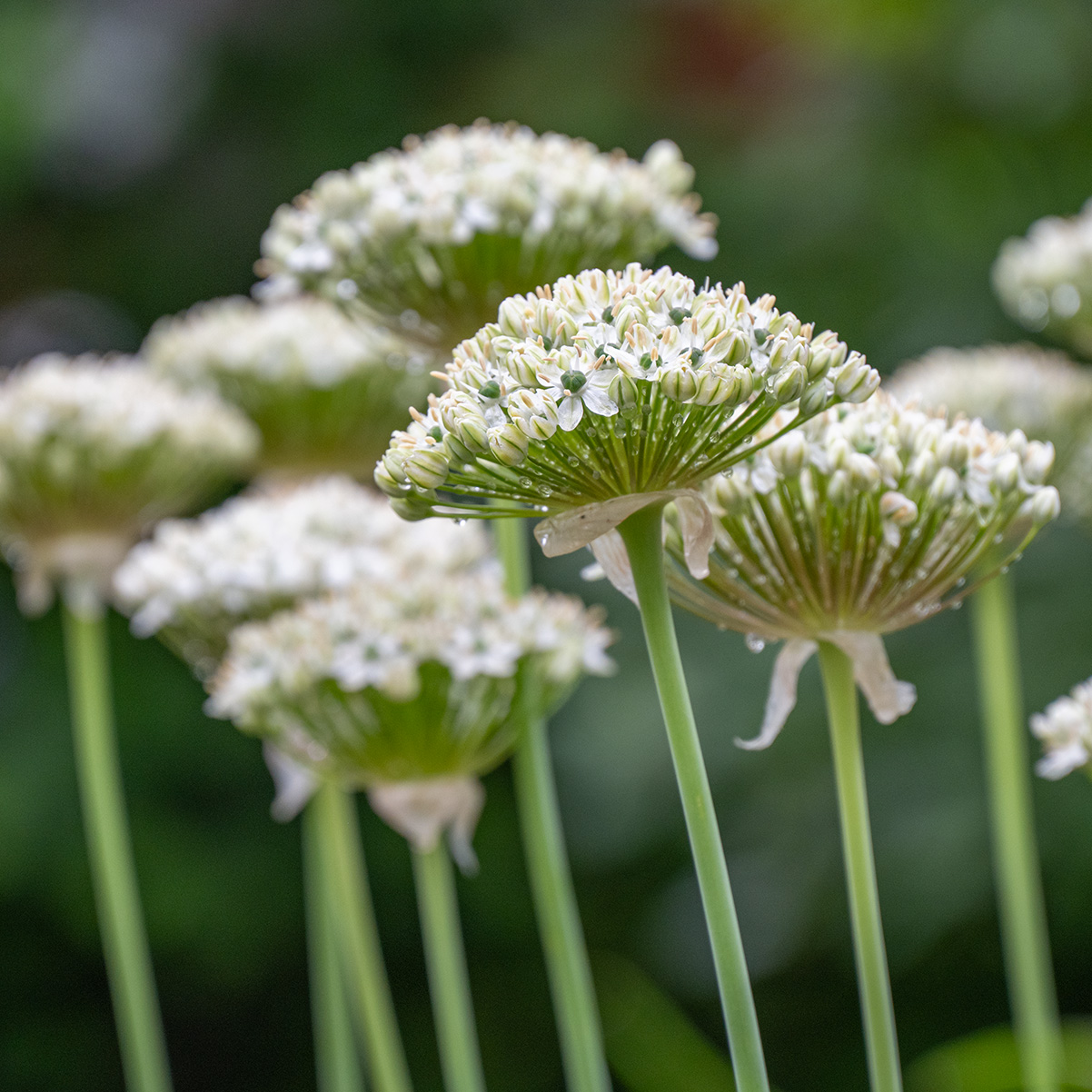
Nigrum
Dome-shaped heads of creamy white flowers. The heads measure about 4 inches across. Late to bloom, Nigrum waits until after Globemaster is done flowering.
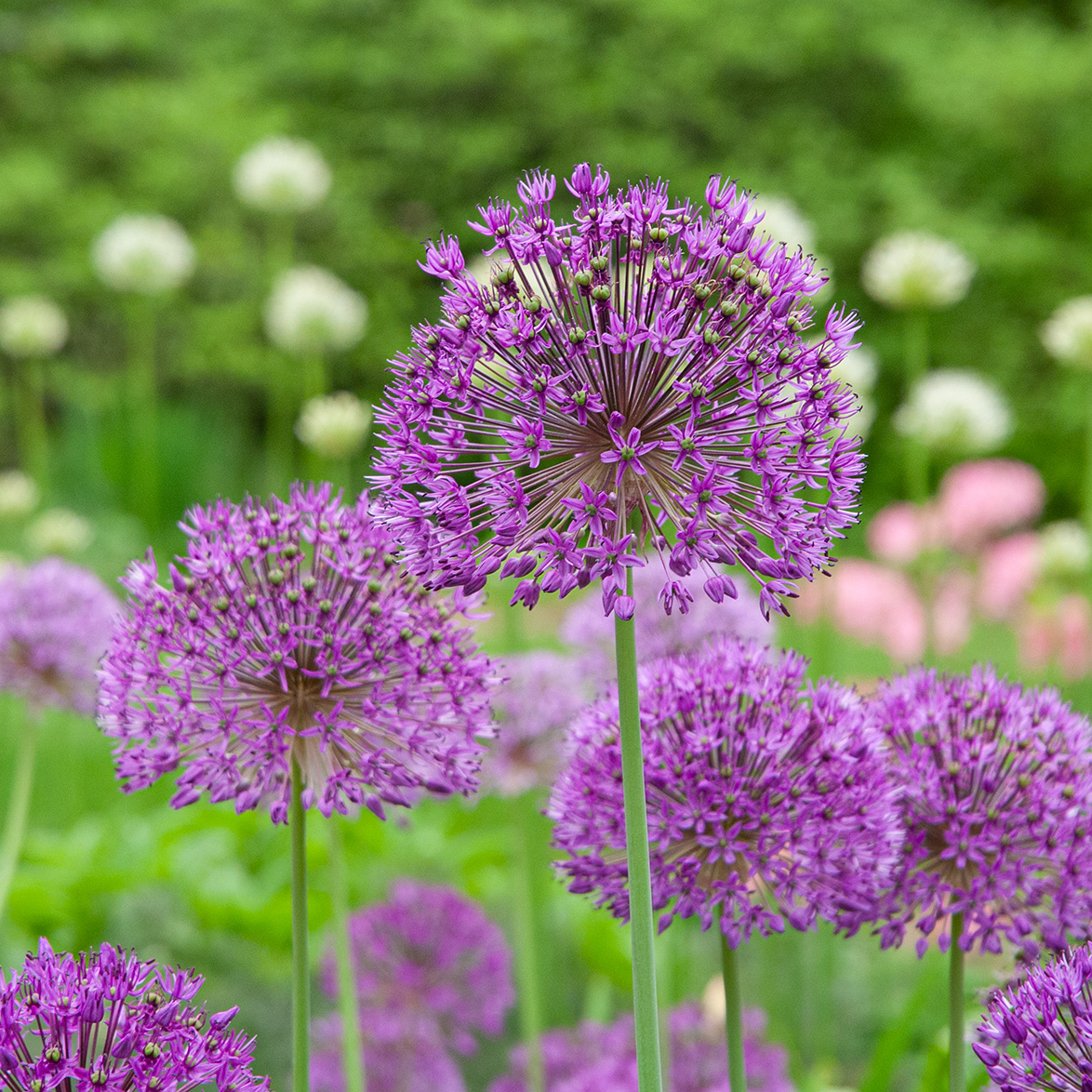
Purple Sensation
Early for an allium, Purple Sensation begins blooming as soon as the late tulips finish. The flower heads, about 4 inches in diameter, are deep purple and bloom on stems 28-32 inches tall.
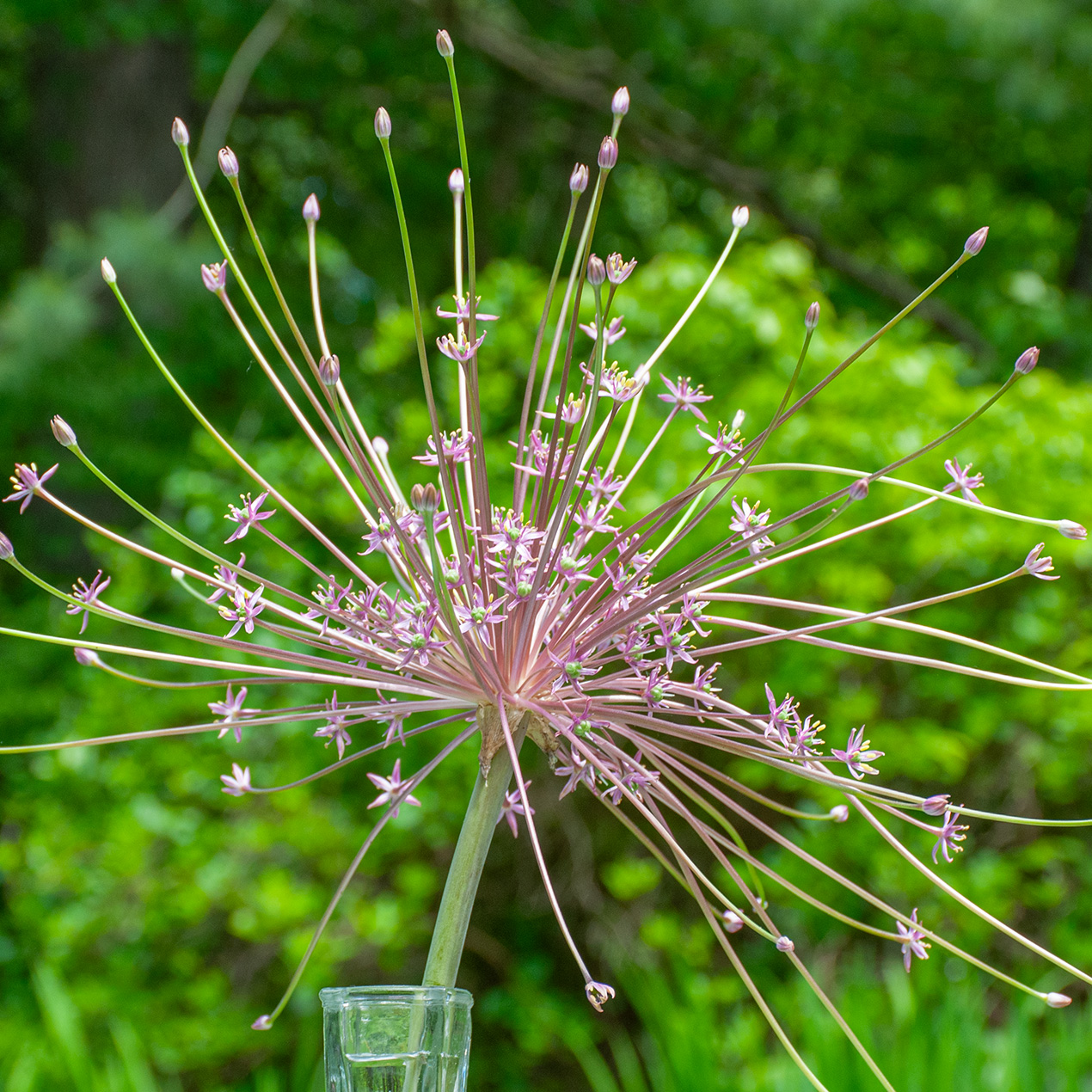
Schubertii
The head, which is 10-12 inches across, consists of small pink flowers that appear at the end of long filaments. Striking and unusual. It grows 18-22 inches tall.
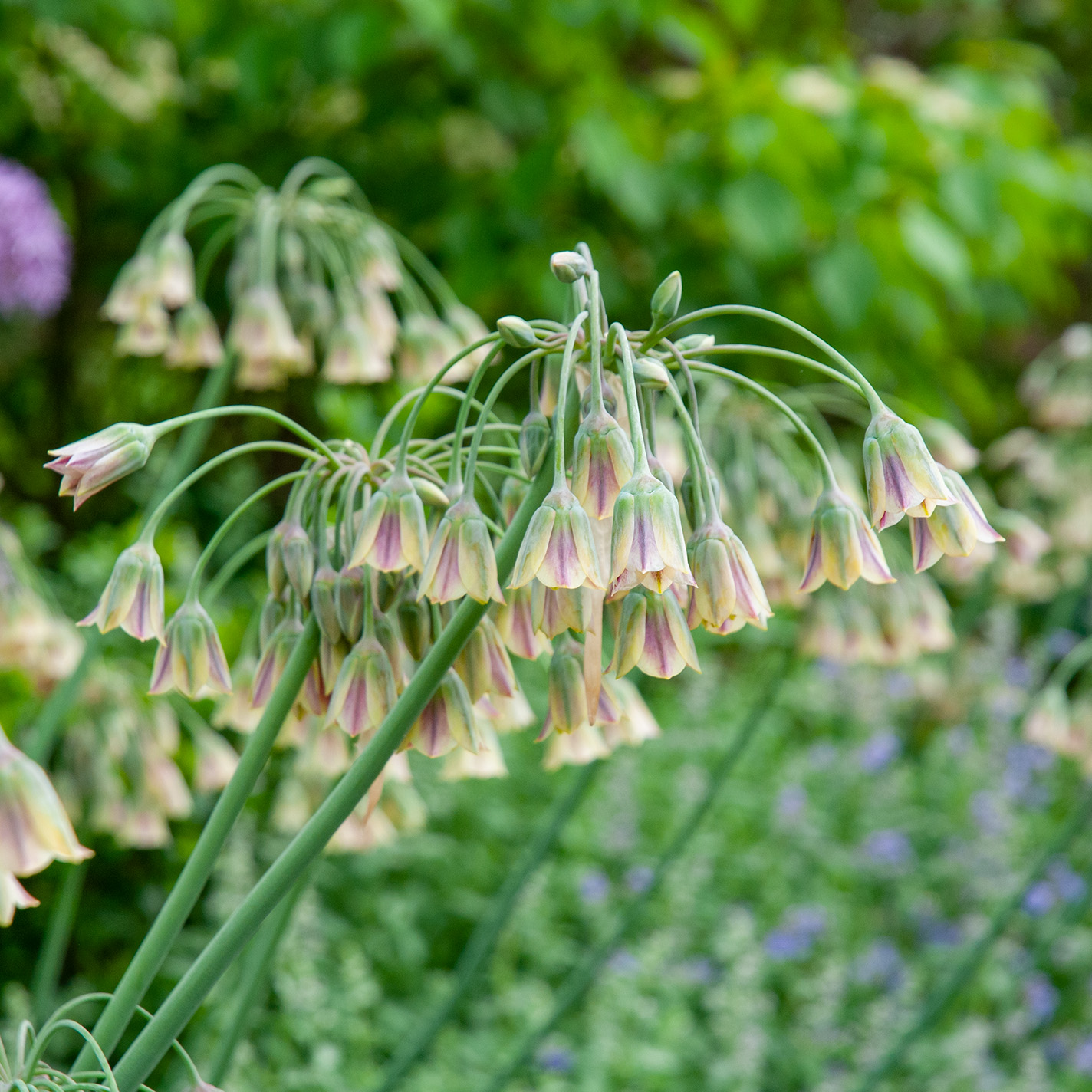
Siculum
Formerly known as Nectaroscordum siculum. Commonly called honey garlic. The 28-32-inch stems produce clusters of dangling bells that combine green, cream, and maroon.
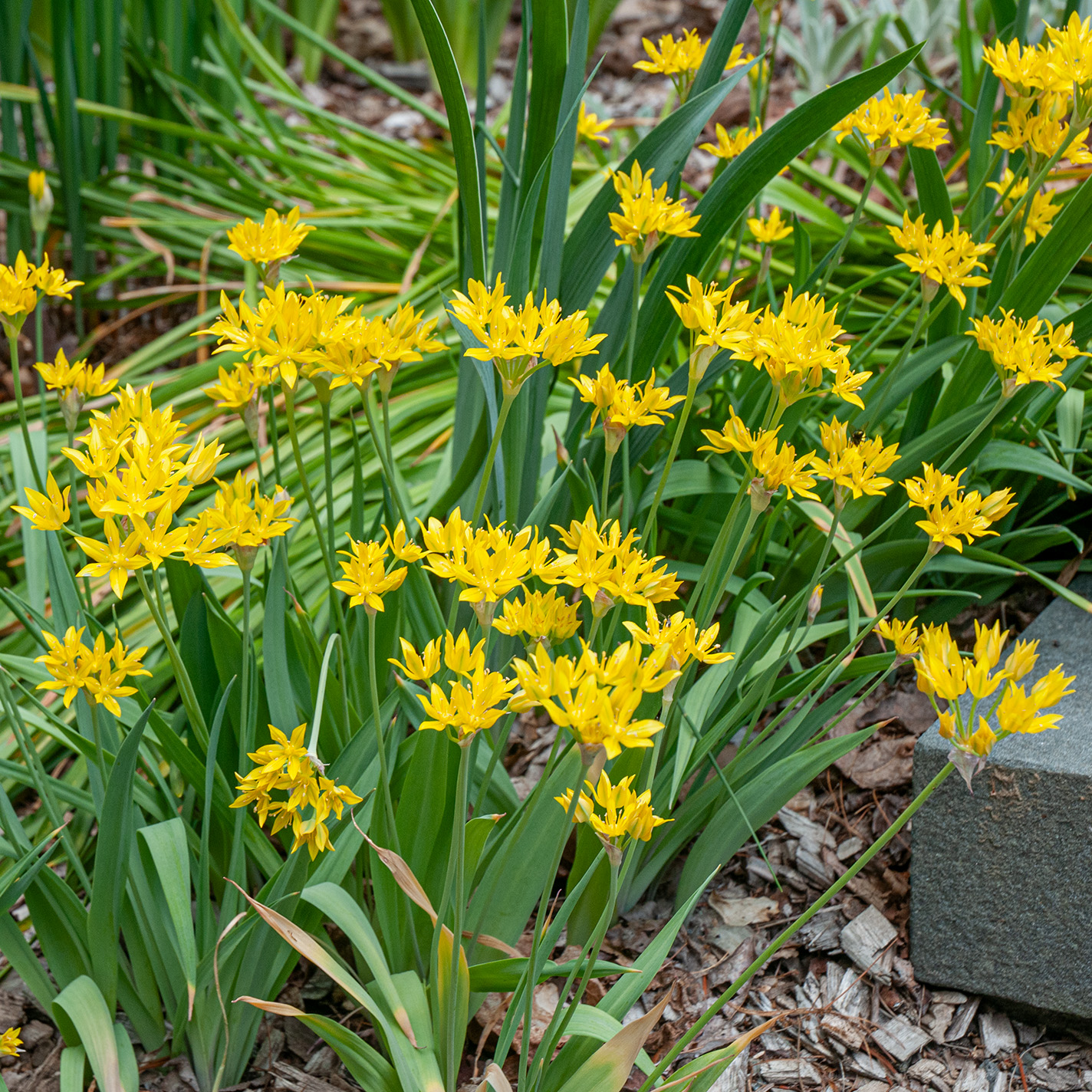
Moly
A popular yellow-flowered allium. It produces 2-inch clusters of small, starry flowers on 10-12-inch stems.
Drumstick
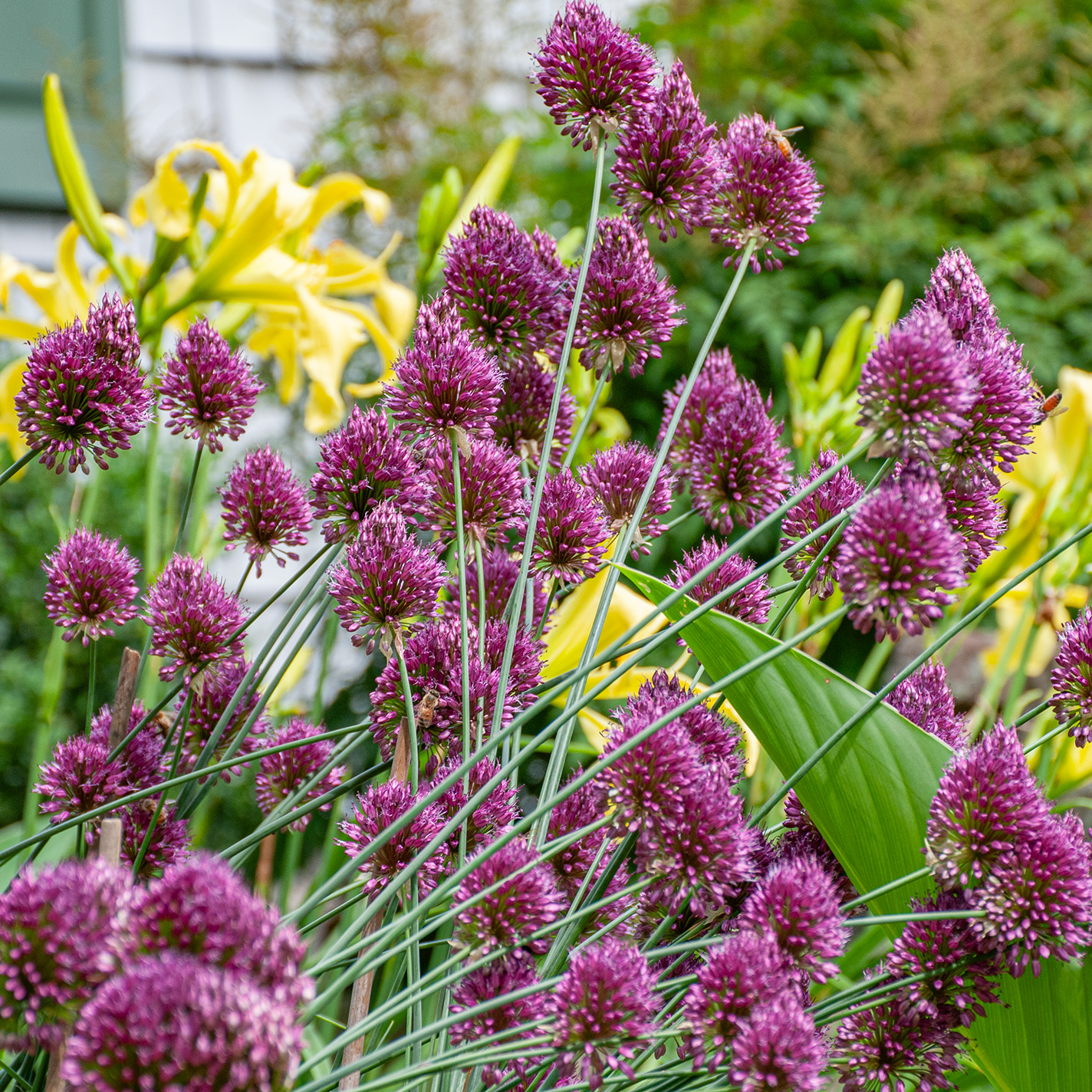
Perhaps the last to bloom of the bulbous alliums, Sphaerocephalon allium waits until early summer to produce its wine-red flower heads. The flower heads are about 1.5 inches wide and are carried on 22-26-inch stems.
Growing Happy, Healthy Allium
Purchasing Alliums
Alliums, like other spring-flowering bulbs, must be purchased and planted in the fall as bulbs. They need to spend winter in the ground. Their foliage emerges in early spring, followed by their flowers, which appear much later. So you have to plan ahead with these plants. You may find potted bulbs at the garden center in the spring. They will cost two or three times the price of a bulb purchased in the fall. (Note: Summer-flowering alliums grow like a perennial and are always sold in containers.)
Determining Whether Alliums are Suited to Your Climate
Alliums are generally cold hardy to USDA Zone 4a, which makes them suitable for most of the United States. In the South, they are typically suitable up to Zone 7b, but they do not perform well in extreme humidity or heavy clay soil. Because they prefer heat and dry summer conditions, they generally grow well in Southern California. In the desert Southwest, they may need supplemental irrigation, as most garden plants do. State agricultural regulations prohibit shipment of allium bulbs to Idaho and Oregon and to Adams, Benton, Franklin, Grant, and Klickitat counties in Washington state.
Choosing a Location for Alliums
Alliums require full sun, at least 6 hours of direct sunlight each day, to produce the strongest stems and largest flowers. Alliums grow best in average, dry to moderately moist, well-drained soil. They prefer full sun but can tolerate partial shade and light afternoon shade in hot-summer regions. They adapt to many soil types and thrive in sandy soils. In heavier clay soils, add compost or other organic matter to improve drainage and support healthy growth.
How Deep to Plant Allium Bulbs
Large allium bulbs are generally planted individually.
- Dig a hole to a depth equal to about three times the diameter of the bulb.
- Set the bulb in the hole with the point facing up.
- Cover with soil and repeat.
Small alliums can be planted singly, as above, or in large groups.
- When planting in groups, remove soil to the appropriate depth and place the soil in a large bucket or on a piece of cardboard.
- Set the bulbs points up in the excavated area.
- Replace the soil.
If the soil is dry and no rain is expected, water thoroughly after planting.
Caring for Alliums
Alliums do not require much special care. They need consistent moisture from fall, when they form roots, until they finish flowering in spring. In the eastern half of the United States, rain or snow usually provides enough moisture. After bloom, stop supplemental irrigation if possible; the bulbs prefer dry summer conditions.
Alliums generally get by just fine on whatever nutrients are present in your soil. Fertilizer is rarely required. Avoid excessive nitrogen, which encourages foliage at the expense of flowers.
How to Care for Allium Bulbs after Flowering
Like all spring-flowering bulbs, alliums go dormant after they bloom. If they leave a hole, consider planting summer annuals at their feet.
Using Alliums in the Garden
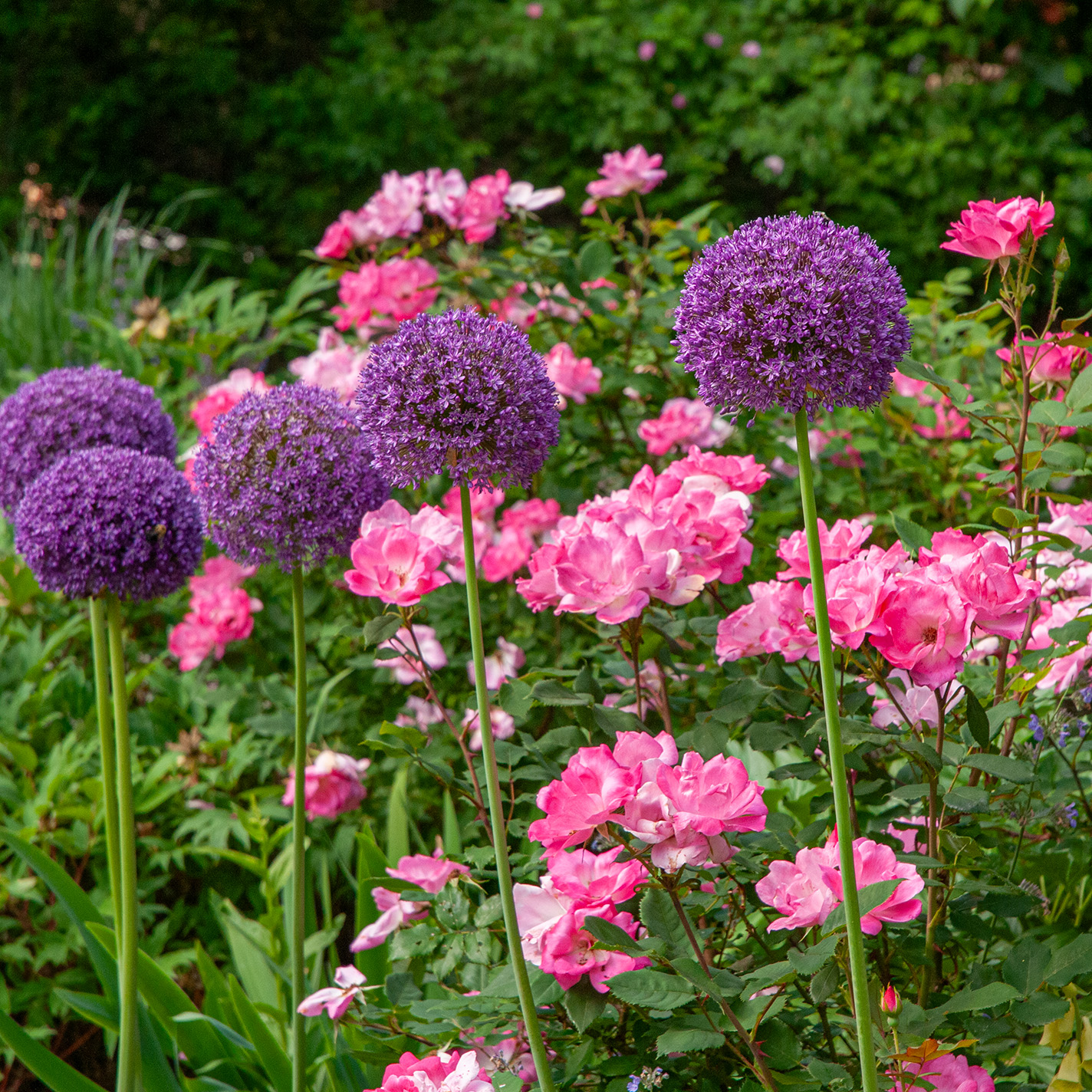
The big alliums can be massed, but they are often more effective when they are sprinkled—one by one or in small clusters—through the center of a bed or border. Sprinkling lets visitors appreciate the size and shape of the flower heads and helps tie a garden together.
Small alliums are best used in groups near a path or at the edge of a bed. A single bulb of a small allium like Moly will have little impact. Plant small bulbs close together and in quantity.
Companion Plants to Use with Alliums
Since allium foliage begins fading while flowers are still blooming, plant companions nearby to disguise yellowing leaves.
Excellent companions include:
- Hostas
- Ferns
- Catmint
- Hardy geraniums
- Salvia
- Peonies
- Lady’s mantle
- Ornamental grasses
The tall, narrow flower stalks also weave beautifully through perennial borders without taking up much space.
Allium FAQs
Plant allium bulbs in fall, ideally September to November, so they spend winter in the ground. Flowers follow in late spring or early summer.
Plant allium bulbs about three times as deep as they are wide, with the pointed end facing up. That’s roughly 6–8 inches deep for large alliums and 3–4 inches for small ones like Moly. Plant small alliums close together in groups for the best effect. If the soil is dry and no rain is expected, water thoroughly after planting.
Alliums need full sun (at least 6 hours daily) and well-drained soil. They tolerate light afternoon shade in hot-summer regions and thrive in sandy soil. In heavy clay, add compost or other organic matter to improve drainage.
Yes. Use a deep container with excellent drainage, plant at the same depth as in the ground, and avoid soggy soil, which rots the bulbs.
Most ornamental alliums bloom in late spring, just as the last tulips fade. Drumstick allium waits until early summer. Planting several varieties stretches the show across many weeks.
Yes. Alliums are perennial bulbs that return each spring, and they’re hardy to USDA Zone 4a. In the South, they’re generally suited to Zone 7b. They can struggle in extreme humidity and heavy clay soil. Most multiply slowly; divide crowded clumps about every 4 years.
Alliums go dormant after flowering, and their foliage yellows while the flowers are still blooming. Plant companions such as hostas, catmint, hardy geraniums or ornamental grasses to hide it. Deadheading is optional; many gardeners leave the seed heads for texture. Stop supplemental watering, since alliums prefer dry summers.
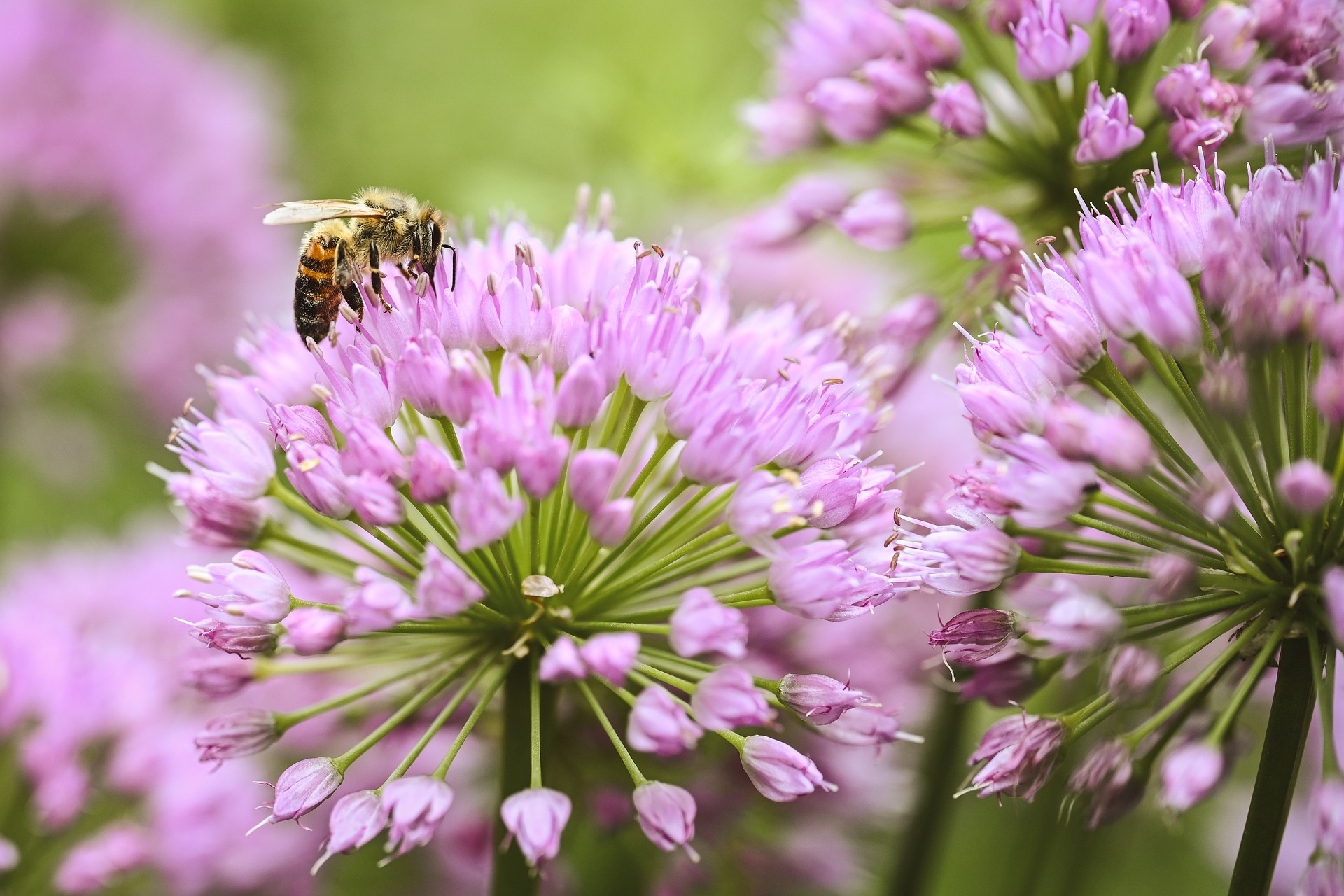
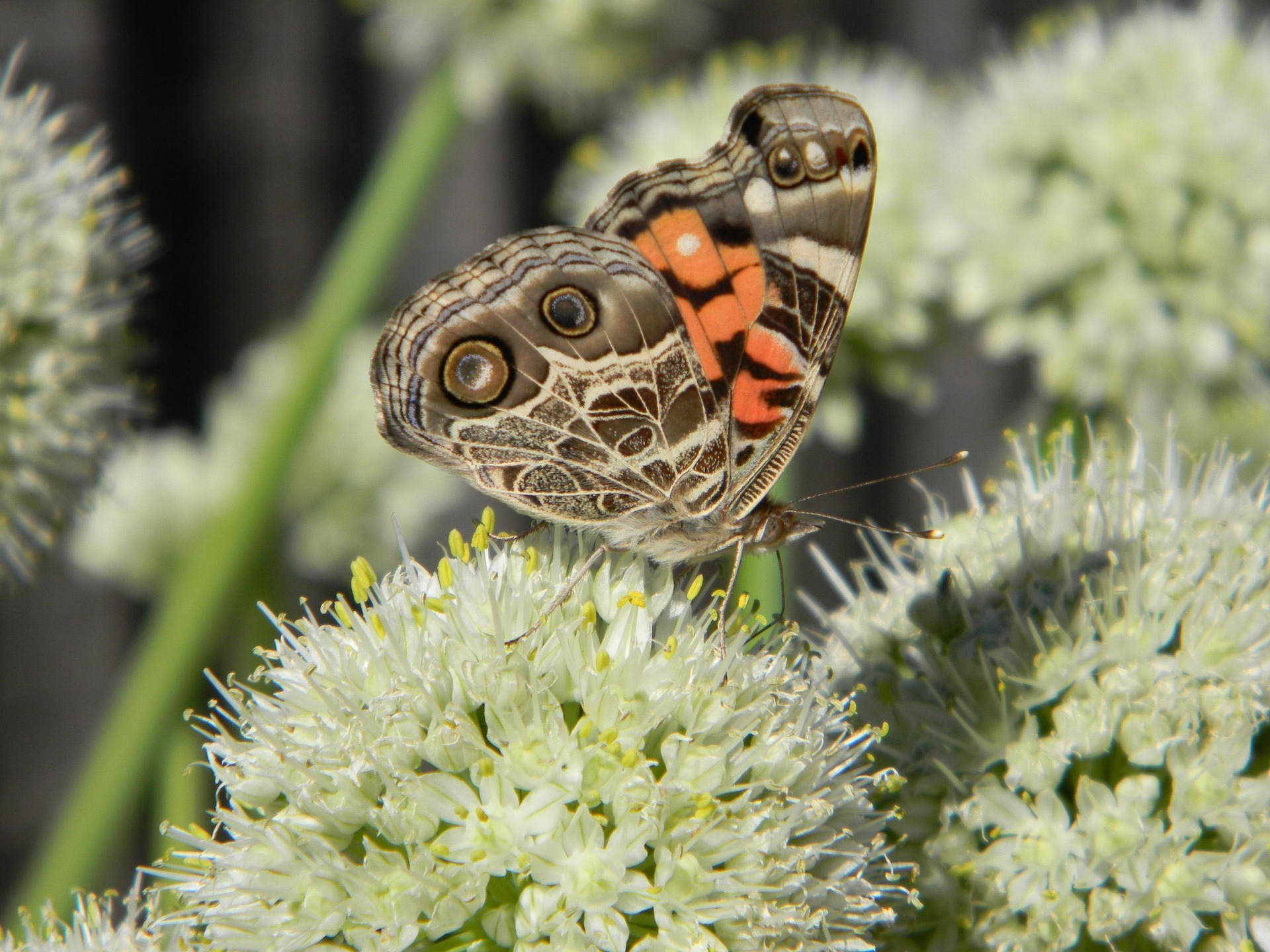
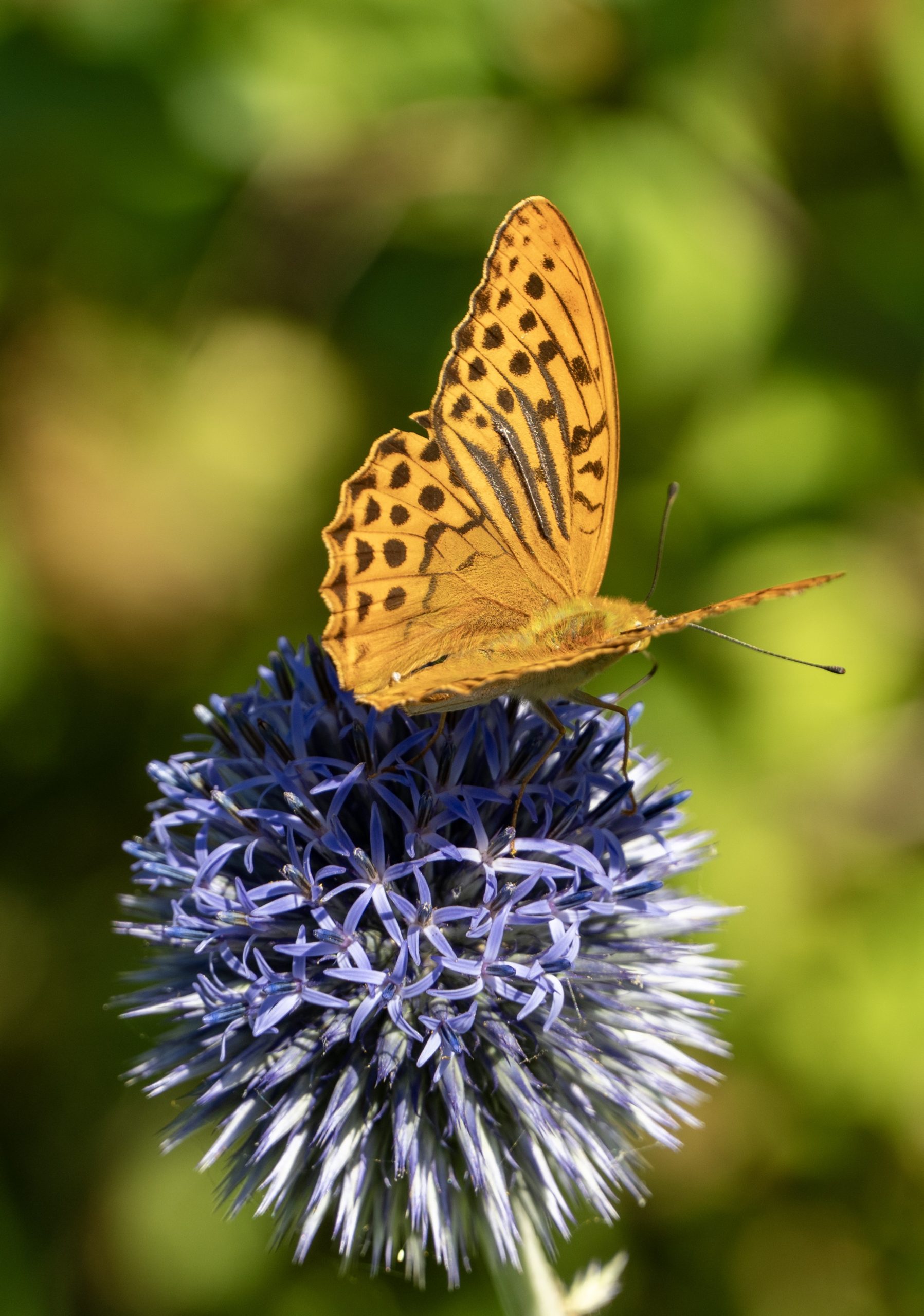
Yes. Each flower head is made of countless tiny florets that attract bees, wasps, and butterflies.
Generally, yes. Alliums belong to the same family as onions and garlic, and their oniony scent usually discourages deer and rabbits. Squirrels or voles seldom bother them either. No plant is completely animal-proof, so hungry animals may still sample them.
Yes. All Allium species, including onions and garlic, can be toxic to cats and dogs if eaten. Plant bulbs where pets can’t dig or chew them, and call your veterinarian or ASPCA Animal Poison Control if you think a pet has eaten any part of one.
Yes. Alliums make great cut flowers. Alliums are impressive in the garden, even more so in a vase. For the longest vase life, cut the stems when the first florets are opening.
Yes. Allium flower heads can be dried and will last indefinitely in a dried arrangement. Cut the heads before the flowers fade and hang the stems upside down to dry indoors.
Learn More About Allium
- How to Grow Allium by American Meadows
- Allium Planting Guide by Dutch Grown
- How To Plant Allium Bulbs by Breck’s
- How To Plant Allium Bulbs by Eden Brothers
Purchase Alliums at NGB Member Online Stores and at Your Local Garden Retailer
















Promote the Year of the Allium
Allium Presentation (PDF)
The Year of the Allium logo PNG or JPG
Download the 2027 Year of the Allium Fact Sheet (PDF)
8″ x 10″ printable sign
“Did You Know” Fun Facts
Allium poster download PNG
The National Garden Bureau recognizes and thanks the human experts at Colorblends Wholesale and Flowerbulbs.com, both NGB members, for their authorship and contributions to this fact sheet.
This fact sheet is provided as an educational service of the National Garden Bureau. There are no limitations on its use. Please credit National Garden Bureau, and link to this page when using all or parts of this article or referencing the Year of the program.
Each state in the U.S. has its own list of invasive species. Before trying a new plant in your garden, refer to the USDA’s National Invasive Species Information website or check with local agencies such as an Extension specialist.
Please consider our NGB member companies as authoritative sources for information. See the NGB Member Directory for details about our members. Shop Our Members for seed and plant sources.