
Year of the ZZ Plant

2027 is the Year of the ZZ Plant
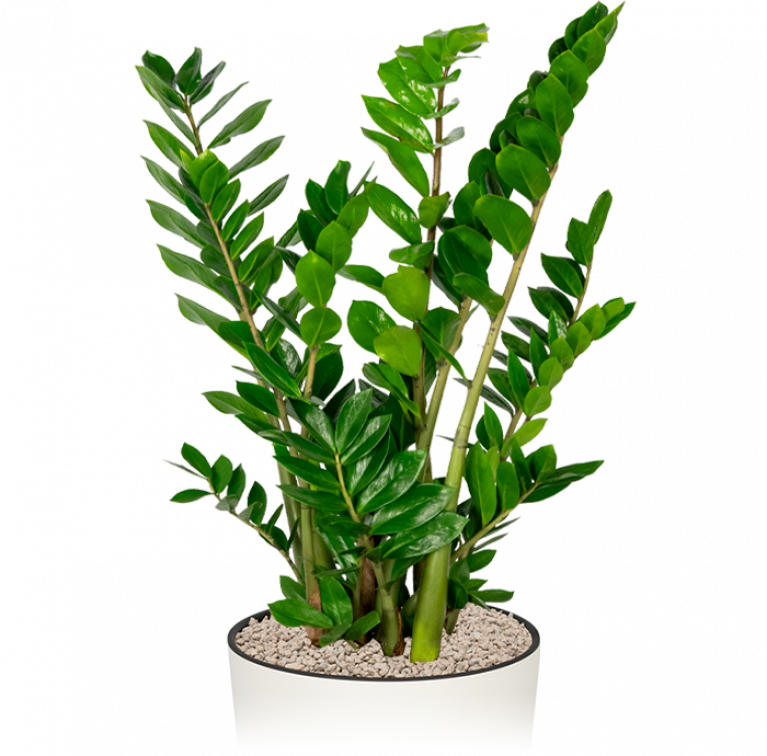
The National Garden Bureau (NGB) has named 2027 the Year of the ZZ Plant (Zamioculcas zamiifolia), a glossy, drought-tolerant houseplant native to eastern Africa. ZZ Plants store water in underground rhizomes, tolerate low light, and need very little care, which makes them one of the easiest houseplants for homes and offices.
This guide covers the care, varieties, and growing tips for the ZZ Plant. ZZ Plants tolerate lower light, average household humidity, and occasional missed waterings, making them a reliable choice for beginners, busy plant lovers, and anyone seeking long-lasting indoor greenery. Its polished form works well on a desk, shelf, plant stand, or office floor. Browse ZZ Plant pictures.
Overview and History
ZZ Plant is native to parts of eastern and southeastern Africa, where it grows in seasonally dry habitats and survives by storing water in thick underground rhizomes. The plant was botanically described in the 1800s, but it remained relatively uncommon in the commercial houseplant trade for many years. Its popularity grew significantly in the 1990s as growers recognized how well it performed indoors. Since then, the ZZ Plant has become a favorite for homes, offices, and public spaces, valued for its durability, sculptural form, and polished foliage.
Fun Fact: When it was first described, it was assigned to the Caladium genus. But later it was broken out by itself. Its botanical name refers to its similarity to a cycad genus (Zamia). It’s more closely related to Peace Lily, Pothos, and Monstera, however, than it is a palm or cycad.
Basic Types of ZZ Plant
Unlike some houseplant groups with many species, the ZZ Plant is represented in cultivation by one primary species. The familiar green form remains the classic choice, but plant breeders and collectors have introduced several distinctive selections with compact habits, rounded leaflets, dark foliage, or variegation. Most ZZ Plants grow slowly indoors and may eventually reach 4 to 5 feet wide at maturity, depending on light, pot size, and care. Their thick stems, fleshy leaflets, and underground rhizomes help them conserve moisture, making them well suited to average indoor conditions. While ZZ Plant tolerates low light, brighter indirect light encourages fuller, faster growth and can improve color expression in specialty varieties.
Notable ZZ Plant Varieties and Series
See photos of these and more in our ZZ Plant picture gallery.
- Chameleon — New growth emerges creamy yellow before maturing to dark green. Brighter indirect light encourages the best color.
- Dark Zamicro — A compact selection with dark purple-black foliage and a tidy habit.
- Lucky — Features rounded leaflets and a more compact form, giving the plant a distinct texture.
- ZZ Everlasting™ — Offers dark, rich foliage and a compact habit similar to other dark-leaf selections.
- Variegata — A collector favorite with irregular golden-yellow markings. Variegation may be unstable, so plants can revert to green.
- Zamicro — A smaller-growing form with shorter stems and smaller leaflets, ideal for desks, shelves and small spaces.
- Raven® – The new growth is a fresh apple-green; as the plant ages the new growth begins to darken at the tips of the leaves, slowly leading to the signature dark, glossy, raven-black foliage and stems.
Special Offers
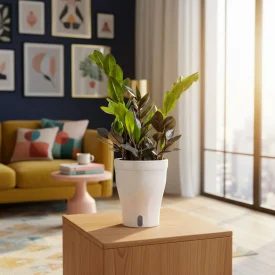
ZZ Everlasting™
ZZ Everlasting™ was discovered for its remarkable color-shifting foliage.
“Year of the ZZ Plant” Swag
Shop for “Year of the ZZ Plant” gifts, clothing and products on RedBubble.
Growing Happy, Healthy ZZ Plants Indoors
ZZ Plants are loved because they’re so easygoing (ZZs are easy!). There’s really not much maintenance they need to grow successfully.
Light: Loves Bright Light
ZZ Plant grows best in bright, indirect light but also tolerates lower-light spaces. For best growth, place it where there is enough natural or supplemental light to comfortably read during the day.
Water: Regularly
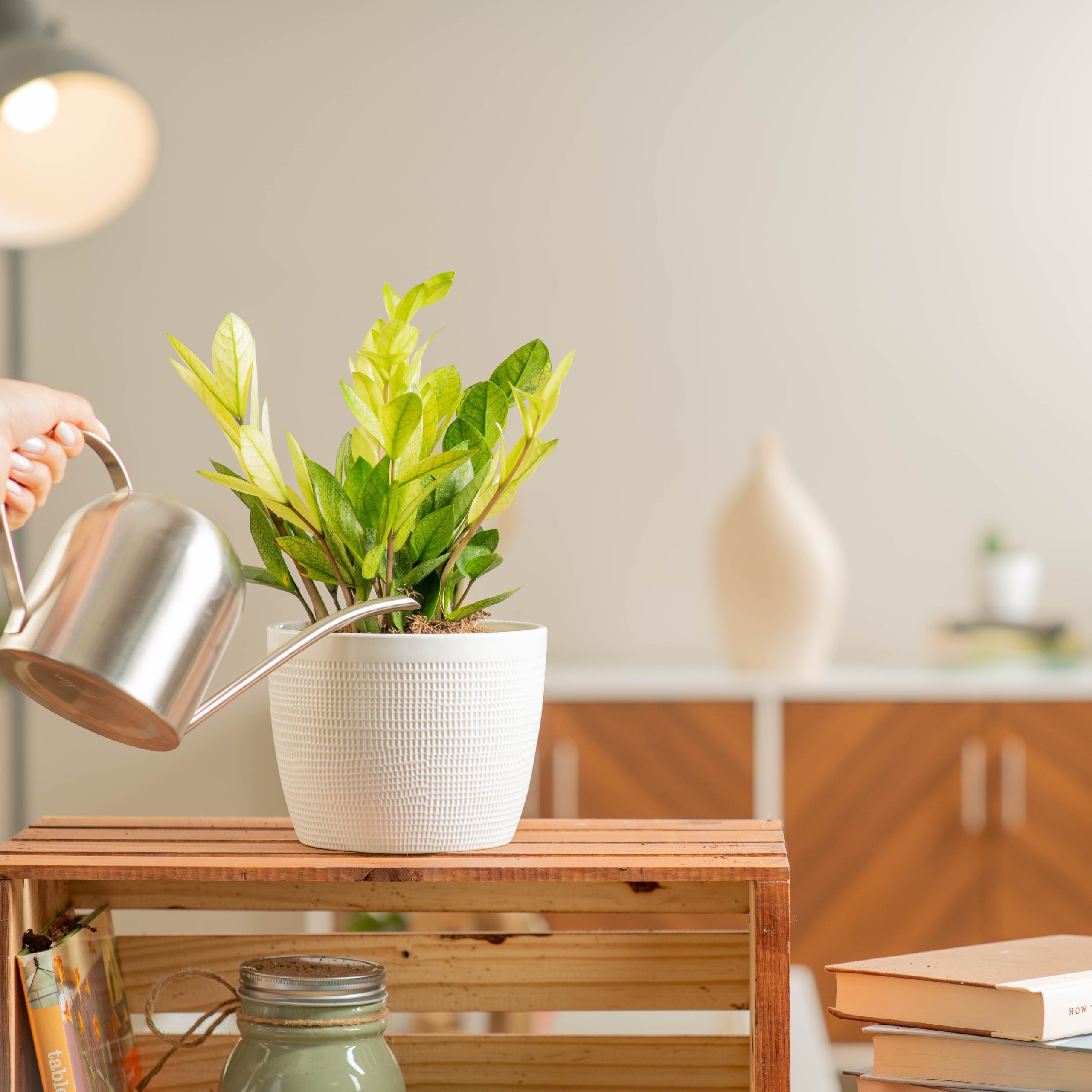
Water when the top 50 to 75 percent of the potting mix feels dry. ZZ Plant is drought tolerant, but regular watering helps it grow more vigorously.
Temperature: Above 50F
As a subtropical, ZZ Plant should be kept above 50F/10C. It generally does not survive exposure to frosty conditions or freezing temperatures.
Humidity: Average household relative humidity levels are fine
It tolerates low-humidity environments and grows well in average household humidity levels (between 40 and 60 percent).
Fertilize: Benefits from spring and summer feeding
Fertilize your ZZ Plant in spring and summer to promote more or faster growth. Any general-purpose fertilizer will do; it’s not fussy.
Pruning: Little is needed
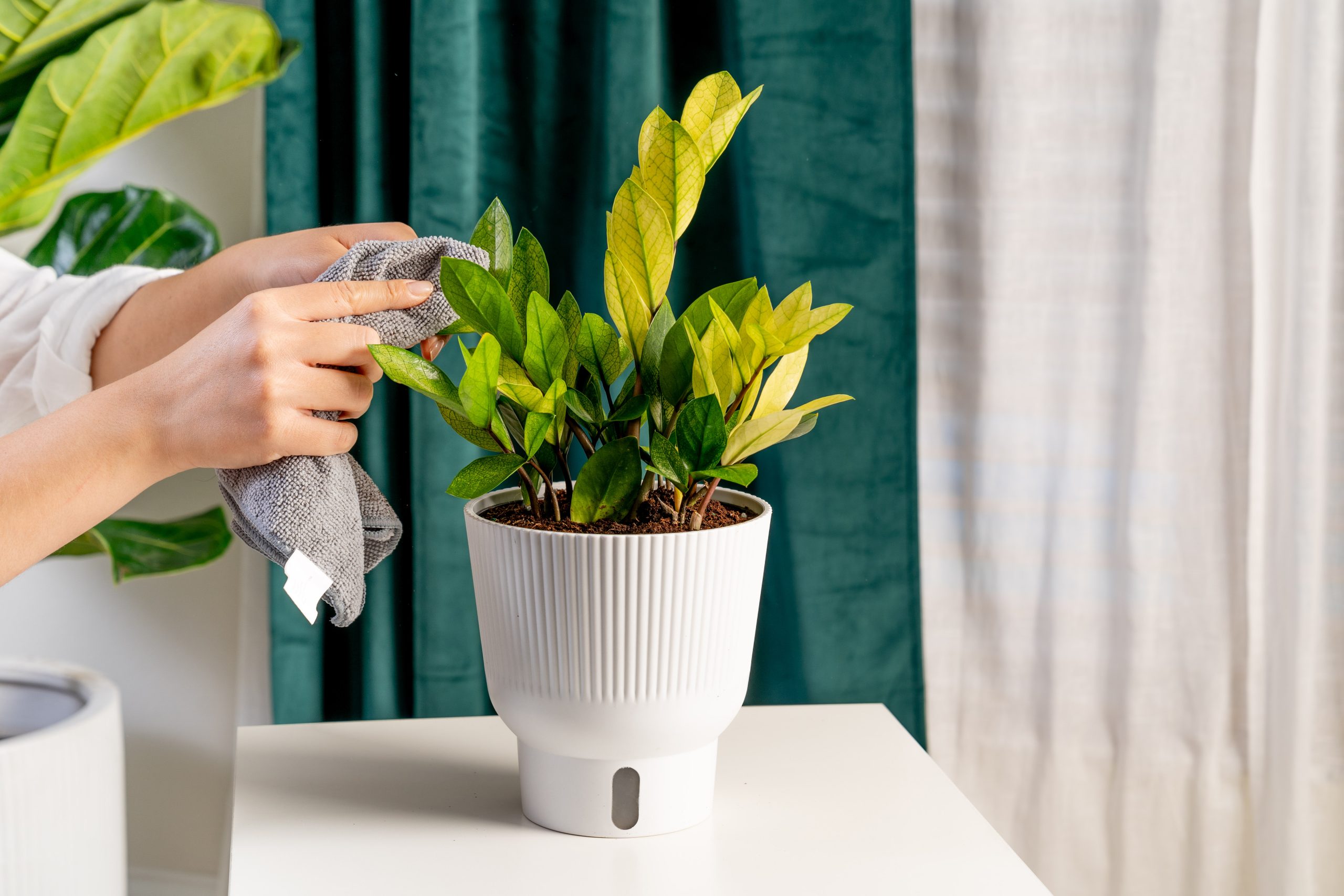
Pruning isn’t required except to remove old or yellowing leaves as they age.
Repotting: Tolerant of being rootbound
ZZ Plant tolerates being rootbound, but growth improves when it is repotted before the roots fill 75 percent or so of the total rootball in the container.
Placement: Depends on the size of the plant
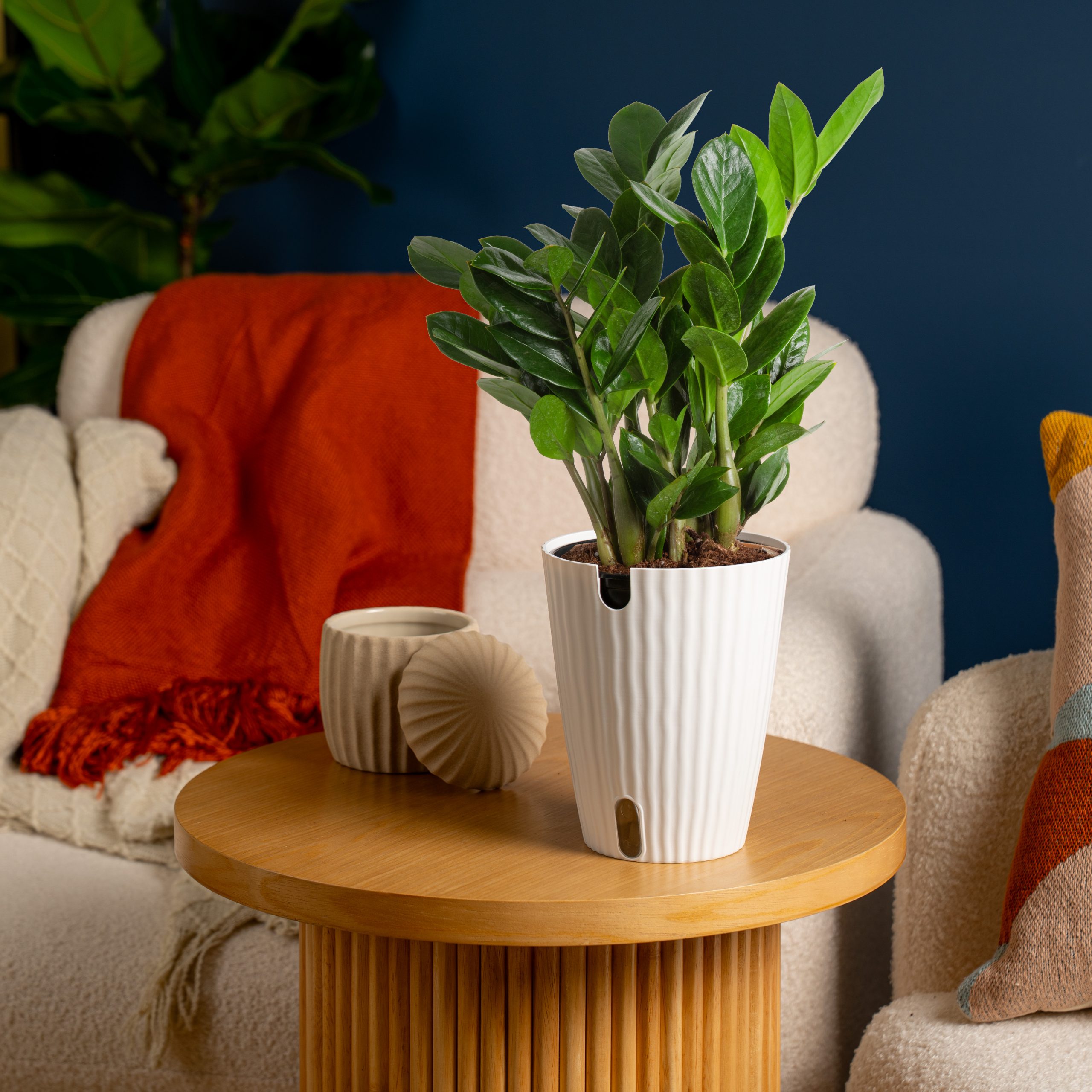
When young, small ZZ Plants are excellent choices for desks, tabletops, plant shelves, or windowsills. As the plants grow and mature, their larger size generally makes them a better choice as a floor plant. Their upright, slightly arching form makes them a great choice for filling empty corners or adding visual density to a room or office.
FAQs About ZZ Plant
Many people water ZZ Plants only once a month. ZZ Plant is highlighted as being drought-tolerant; therefore, many people believe it prefers to stay dry. It will survive that, but watering on a regular schedule helps it thrive.
ZZ Plants are not dead if it loses all of it’s leaves. ZZ Plants store water in underground rhizomes, so if they get very dry, they may drop all of their leaflets to survive. Water it again, and it can push out new growth. Be sure to keep it on a regular watering schedule.
Yes, and there are two easy ways to propagate a ZZ Plant.
- From a leaflet: Plant a single leaflet in potting mix. ZZ Plants grow slowly, but the leaflet will eventually root and grow into a whole new plant.
- By division: Split an established plant the same way you’d divide an iris or another perennial.
Please note: Some ZZ Plant varieties are trademarked and patented, and it’s illegal to propagate a patented plant without the patent holder’s permission. Check the plant tag for a patent number (often marked “PP” or “PPAF”) before you start.
ZZ Plant is one of the best houseplants for low light. It grows bigger and faster in a bright, indirect spot. To keep even growth, rotate the pot occasionally so all sides receive light.
Keep ZZ Plant out of reach of children and pets that like to nibble. ZZ Plant belongs to the aroid family. Like nearly all of its relatives, it has sharp crystals in its cells that can cause irritation, pain, and swelling if eaten. Find more information in the ASPCA article, These Houseplants Can Cause Trouble for Your Pets.
Mature ZZ plants that get plenty of light produce flowers. They’re small and look like calla lilies, and they appear at soil level instead of standing upright.
With proper care, a ZZ Plant can grow for decades. It’s a meaningful and beautiful investment in your home décor.
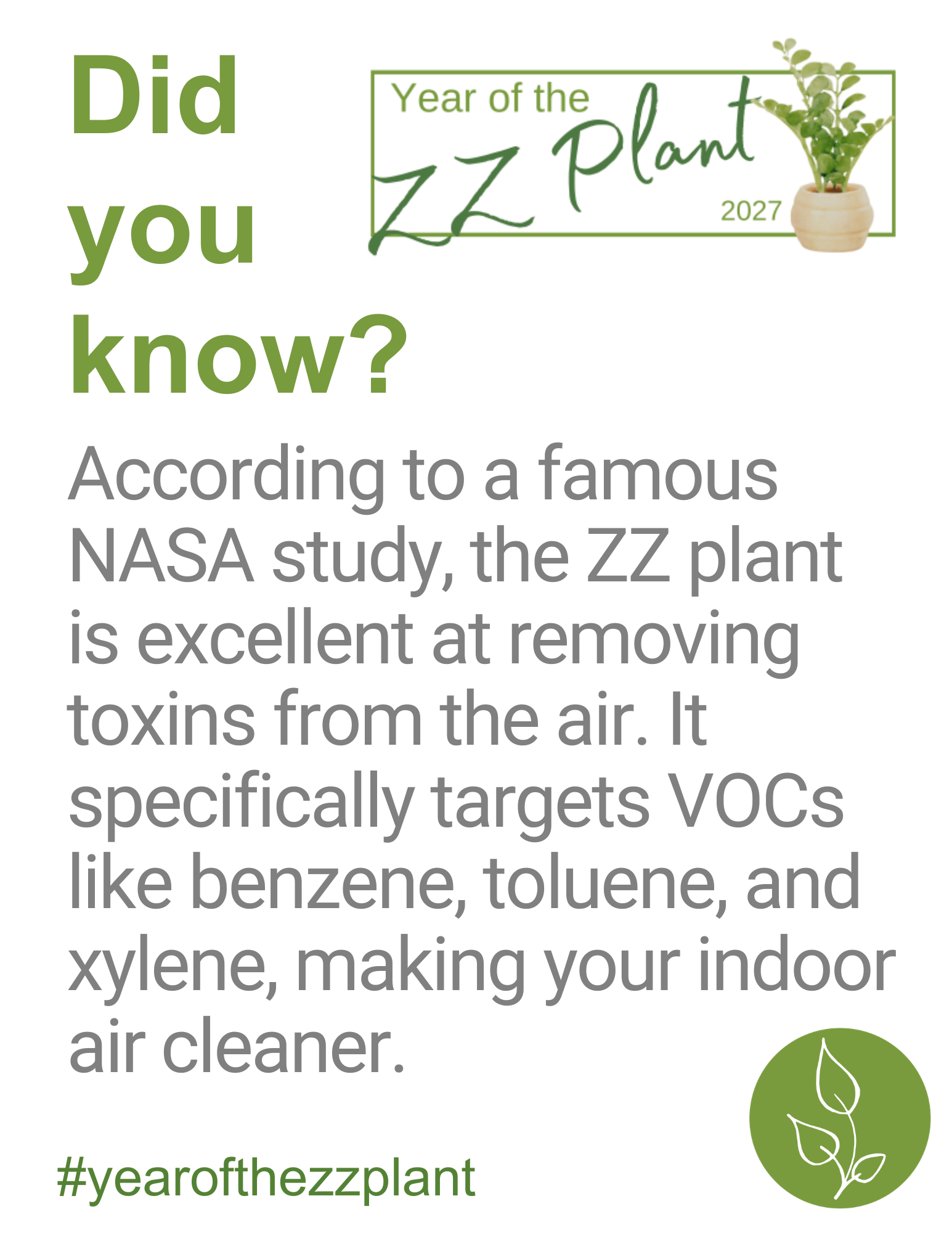
ZZ PLant does purify indoor air. Though not studied in the original 1989 NASA Clean Air Study, subsequent studies showed that the ZZ plant effectively removes a common group of VOCs known as BTEX. BTEX includes benzene, toluene, ethylbenzene, and xylene, which are industrial solvents often found in paints, adhesives, cleaning products, and synthetic fibers.
Overwatering is the most common cause. ZZ Plant stores water in its rhizomes, so soggy soil can lead to root rot. Let the top 50–75% of the potting mix dry out before watering again, and make sure the pot drains. If only an occasional older leaf yellows, that’s normal aging. You can simply prune it off.
No. ZZ Plant is an aroid, in the same family as the peace lily, pothos, and monstera. People often call it a succulent because it stores water in thick, potato-like rhizomes and fleshy stems, so it handles dry soil and infrequent watering much like a succulent does.
Learn More About ZZ Plant
- ZZ Plant Features by Costa Farms
- ZZ Plant Care and Grow Guide by Ohio Tropics
- Easy to Care For Houseplants by True Leaf Market
- Houseplants for Dark Places by True Leaf Market
Shop ZZ Plants at NGB Member Online Stores and at Your Local Garden Retailer


Promote the Year of the ZZ Plant
ZZ Plant Presentation (PDF)
The Year of the ZZ Plant logo PNG or JPG
Download the 2027 Year of the ZZ Plant Fact Sheet (PDF)
8″ x 10″ printable sign
“Did You Know” Fun Facts
ZZ Plant poster download PNG
The National Garden Bureau recognizes and thanks the human experts at Costa Farms, a member of the NGB, for their authorship and contributions to this fact sheet.
This fact sheet is provided as an educational service of the National Garden Bureau. There are no limitations on the use. Please credit National Garden Bureau and link to this page when using all or parts of this article or referencing the Year of the program.
Each state in the U.S. has its own list of invasive species. Before trying a new plant in your garden, refer to the USDA’s National Invasive Species Information website or check with local agencies such as an Extension specialist.
Please consider our NGB member companies as authoritative sources for information. See the NGB Member Directory for details about our members. Shop Our Members for seed and plant sources.