2027 Year of the Hellebore: A Guide to Growing Hellebores

Hellebores are a winter garden treasure that welcomes a new season with soft, beautiful spring colors has been selected as National Garden Bureau 2027 Year of perennial.

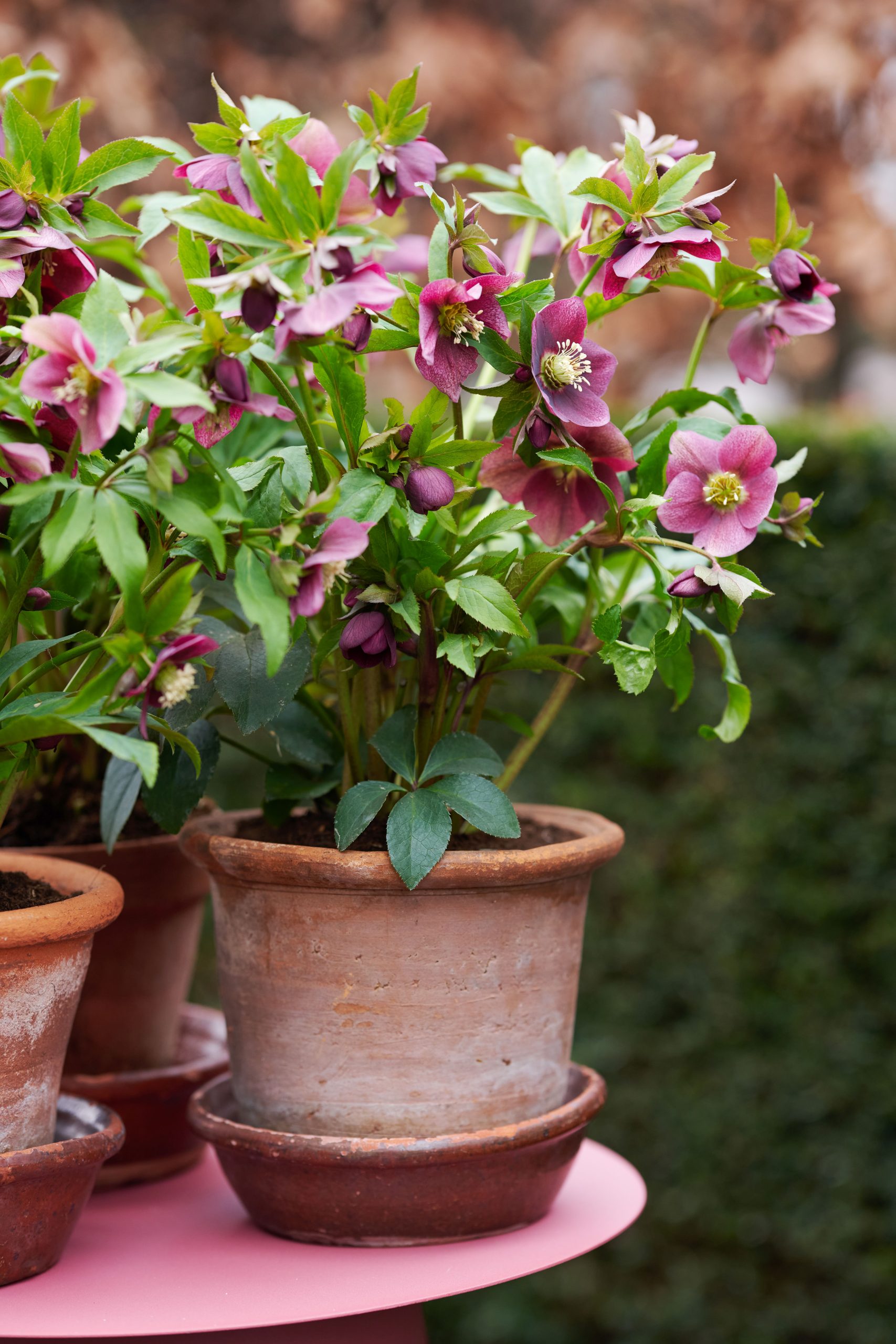
Hellebores (Helleborus), also called Lenten roses and Christmas roses, are evergreen, shade-loving perennials in the buttercup family that bloom from late winter to early spring.

Overview and History

Hellebores are among the first perennials to bloom each year, bringing welcome color to gardens in late winter and early spring when little else is flowering. Known for their elegant blooms, evergreen foliage, and dependable performance in shade, these long-lived plants offer gardeners an easy way to bridge the seasons from winter to spring.

Native to the woodlands and mountainous regions of Europe and western Asia, Hellebores belong to the buttercup family (Ranunculaceae). Although many gardeners know them as Lenten Roses because they flower around the Christian season of Lent and resemble single roses, they are not related to roses at all. Another well-known species, Christmas Rose (Helleborus niger), earned its common name for its ability to bloom during the winter months in milder climates.

Gardeners value Hellebores for much more than their flowers. That combination of beauty, durability, and low maintenance has made Hellebores dependable shade perennials for woodland gardens, mixed borders, foundation plantings, and early-season containers.

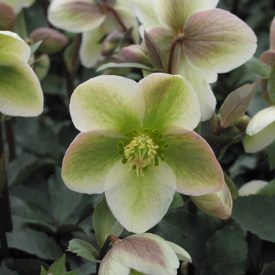
Perhaps the most fascinating feature of a Hellebore flower is that its colorful “petals” are not petals at all—they are sepals. Unlike true petals, these sepals remain attractive for months after pollination. As the season progresses, they gradually mature into soft shades of green, pink, or burgundy, extending the display long after many other spring flowers have faded.

Thanks to decades of breeding, today’s Hellebores offer more choices than ever before. Gardeners can now enjoy larger blooms, richer colors, outward-facing flowers, and beautifully patterned foliage.

Hellebores Did You Know bloom in late winter even through snow.
Hellebores Did You Know more durable than delicate flowers
Hellebores Did You Know flowers face down to protect pollen.
Hellebores Did You Know in ancient mythology was believed to cure madness,

Basic Types of Hellebore

Botanists recognize multiple species of Helleborus, but most Hellebores sold for gardens today are hybrids. Breeders have combined the best characteristics of different species to create plants with larger flowers, stronger growth, longer bloom seasons, and improved garden performance. While the family tree can be surprisingly complex, most garden Hellebores fall into three easy-to-understand groups.

Christmas Rose (Helleborus niger)

One of the oldest cultivated species, the Christmas Rose is prized for its pure white flowers and compact habit. In Europe, it has long been associated with the holiday season because it often blooms around Christmas in mild climates. Today, it remains a favorite for decorative containers, entryways, and winter displays thanks to its elegant blooms and dark green evergreen foliage.

Lenten Rose (Helleborus × hybridus)

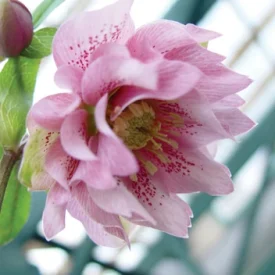
The most familiar garden Hellebores belong to the Helleborus × hybridus group, often called Lenten Roses. These hybrids, developed primarily from Helleborus orientalis and related species, offer the widest range of flower colors and forms. Gardeners can choose from single, double, and anemone-style blooms in shades of white, yellow, apricot, pink, burgundy, deep purple, and nearly black. Because many are grown from carefully selected seed strains, each plant is unique, adding even more charm to the garden.

Modern Interspecific Hybrids

One of the most exciting developments in Hellebore breeding has been the creation of interspecific hybrids, which combine traits from multiple Helleborus species. Among the earliest were Helleborus × ericsmithii hybrids, developed by crossing Helleborus niger, the Christmas Rose, with Helleborus × sternii. These plants helped bring together early flowering, handsome evergreen foliage, and attractive silver or marbled veining.

Building on that success, breeders have continued to develop increasingly complex hybrids by incorporating additional species. As a result, today’s interspecific Hellebores offer larger, outward-facing flowers, stronger stems, richly marbled foliage, longer bloom seasons, and outstanding garden performance. Because many of these hybrids are sterile, they are propagated through tissue culture, ensuring each plant remains true to its variety.

Popular Hellebore Varieties and Series

Hellebore breeding has advanced dramatically over the past two decades. Early breeding focused on expanding flower color, while today’s programs combine beautiful blooms with stronger plants, longer flowering, and attractive evergreen foliage. As a result, gardeners now have more choices than ever before. Whether you prefer classic elegance or bold, modern hybrids, there is a Hellebore for every garden.

Frostkiss® Series – Interspecific Hybrid

One of the first widely available interspecific series, Frostkiss® helped redefine modern Hellebore breeding by combining richly marbled evergreen foliage with colorful, long-lasting blooms. Created from a complex mix of species, these vigorous plants are offered in shades of white, pink, rose, and burgundy.

Honeymoon® Series – Helleborus x hybridus

Gardeners who love bold flower colors will appreciate the Honeymoon® series. These Lenten Roses produce large single blooms with dramatic veining and rich colors, making each plant beautifully unique.

Ice N’ Roses® Series – Interspecific Hybrid

Bred from advanced interspecific hybrids, the Ice N’ Roses® series is known for its large, outward-facing flowers, excellent vigor, and extended bloom season. Available in shades of white, pink, and deep red.

Ivory Prince – Helleborus x ericsmithii

One of the most dependable landscape Hellebores, ‘Ivory Prince’ features ivory flowers that gradually mature through soft pink and green tones. Blue-green foliage and burgundy stems provide year-round interest, even after flowering has finished.

Jacob – Helleborus niger

A standout selection of the classic Christmas Rose, ‘Jacob’ is prized for its early bloom, compact habit, and abundant pure white flowers.

Wedding Party® Series – Helleborus x hybridus

If double flowers are your favorite, the Wedding Party® series delivers. The fully double blooms resemble miniature roses and add elegance and texture to gardens.

Winter Jewels® Series – Helleborus x hybridus

Developed by renowned Hellebore breeders Marietta and Ernie O’Byrne, the Winter Jewels® series showcases remarkable diversity. Gardeners can choose from single, double, and anemone-flowered selections in an extraordinary range of colors and patterns, making this collection a favorite among plant enthusiasts.

These varieties highlight just how far Hellebore breeding has come. From classic Christmas Roses to today’s advanced interspecific hybrids, modern Hellebores combine longer bloom seasons, richer flower colors, improved vigor, and beautiful evergreen foliage. As breeding continues to evolve, gardeners can look forward to even more exciting choices that bring color and interest to the garden when it’s needed most.

Special Offers

Ivory Prince Hellebore from PlantHaven
Phoebe Hellebore from Burpee
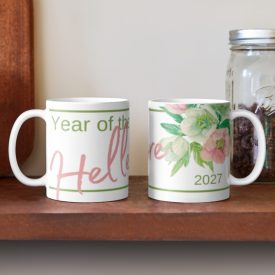
Year of the Hellebore mug

“Year of the Hellebore” Swag

Shop for “Year of the Hellebore” gifts, clothing and products on RedBubble.

Growing Happy, Healthy Hellebores

One of the reasons Hellebores have become so popular is that they are remarkably easy to grow. Once established, they ask for very little while rewarding gardeners with beautiful blooms, handsome evergreen foliage, and years of dependable performance. Whether you’re planting a single specimen or creating a woodland garden filled with Hellebores, a few simple steps will help your plants thrive.

Where is the best place to plant hellebores?

Hellebores grow best in partial shade, especially where they receive morning sun and protection from hot afternoon light. They are excellent choices beneath deciduous trees, where winter sunlight reaches the plants before the canopy fills in for summer. In cooler climates, they can tolerate more sun, while gardeners in warmer regions should provide more afternoon shade.

Next, prepare the soil before planting. Hellebores prefer rich, well-drained soil with plenty of organic matter. Mixing compost into the planting area improves both drainage and soil health. Although these plants enjoy consistent moisture, they do not tolerate standing water, especially during winter.

Plant once, enjoy hellebores for decades

Spring and fall are the best times to plant Hellebores because mild temperatures encourage strong root growth. Plant the crown at the same depth it was growing in the container, then water thoroughly. Finally, add a light layer of mulch to help conserve moisture and regulate soil temperature, as Hellebores do not like hot roots.

Because Hellebores dislike being moved once established, choose their location carefully. The reward is well worth it—many plants will thrive for 20 years or more, gradually forming larger, more impressive clumps each season.

Simple seasonal care for your hellebore

Hellebores require very little maintenance. During their first growing season, water regularly while the root system becomes established. After that, mature plants become surprisingly drought-tolerant and usually need extra water only during extended dry periods.

In late winter, remove any older or damaged leaves just before the flower buds begin to open. This simple task allows the blooms to take center stage, improves air circulation, and encourages fresh new growth. However, don’t rush to remove the flowers after they bloom. The colorful sepals remain attractive for weeks—even months—and gradually mature into beautiful shades of green, pink, or burgundy.

Each spring, apply a layer of compost or a balanced slow-release fertilizer to encourage healthy growth and abundant flowers. As a result, plants will continue to improve year after year.

Hellebores: a perennial worth waiting for

Few plants reward gardeners as generously as Hellebores. They bloom when the garden is still waking from winter, provide handsome evergreen foliage throughout the year, and ask for very little in return. Thanks to modern breeding, today’s gardeners can choose from an incredible range of flower colors, forms, and foliage patterns, making it easier than ever to find the perfect Hellebore for any landscape.

Whether you grow a classic Christmas Rose, a colorful Lenten Rose, or one of today’s remarkable interspecific hybrids, Hellebores offer something few other perennials can—a beautiful reminder that spring is always just around the corner.


Hellebores Did You Know are not edible
Hellebores Did You Know seeds have a small fatty attachment that ants eat.
Hellebores Did You Know are called lenten rose because they bloom around lent.
Hellebores Did You Know are low maintenance and perfect for a foundation.

Hellebore FAQs

Most garden hellebores are hardy in USDA zones 4 through 9. Check the plant tag, since hardiness varies by species and series.

Plant hellebores in spring or fall, when mild temperatures help roots establish. It’s best to set the crown at the same depth it grew in the pot and water well.

Hellebores need partial shade: a few hours of morning sun with protection from hot afternoon sun. In cooler northern gardens, they tolerate more sun; in the South, give them more shade.

Hellebores grow best in rich, well-drained soil with plenty of organic matter and a neutral to slightly alkaline pH. Good drainage matters most — they rot in soggy winter soil so drainage matters more than fertilizer.

Add compost every spring to keep hellebores thriving for years. They grow best in humus-rich, loose soil that is well-drained and may struggle in heavy, wet clay. If you garden in clay soil, plant hellebores in amended soil in a higher part of your garden where water does not pool, or grow them in containers. Slightly acidic to slightly alkaline soil pH is preferred.

Yes. In late winter, just as flower buds appear, cut off last year’s old or damaged leaves at the base. Don’t cut them earlier, because these leaves feed the developing buds.

No. Hellebore “petals” are sepals that stay attractive for weeks or months, fading to green, pink or burgundy. Leave them in place.

Hellebores bloom from late winter to early spring, often starting while snow is still on the ground. Christmas roses (Helleborus niger) bloom earliest; Lenten roses typically flower from February through April.

Established hellebores tolerate summer dry spells surprisingly well. Keep newly planted hellebores consistently moist until established.

No. Add a layer of compost or a balanced slow-release fertilizer each spring. That is usually all hellebores need.

Pair hellebores with other shade plants like Hostas, Carex, ferns, and early bulbs like crocus and snowdrops for color from late winter into summer.

Modern interspecific hybrids such as the Frostkiss® and Ice N’ Roses® series, and dependable varieties like ‘Ivory Prince,’ offer outward-facing flowers, attractive foliage and strong garden performance. Plant several different varieties and types of hellebore together to extend the bloom season. Our NGB members have a large selection of hellebores.

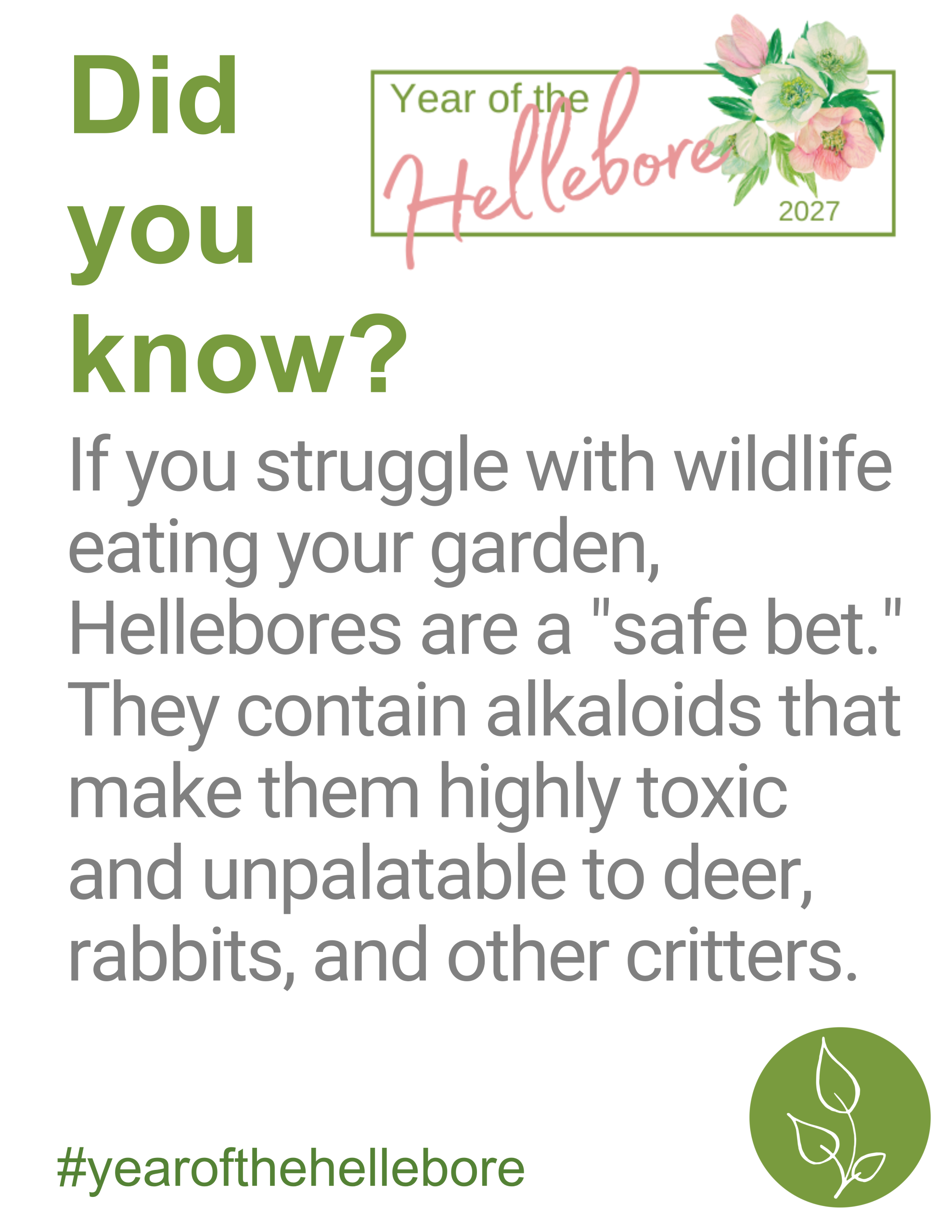
Yes. Deer and rabbits leave hellebores alone year-round, and for good reason. The plants contain natural toxins that make them bitter and harmful to eat. After one unpleasant taste, deer and rabbits usually learn to stay away.

Yes. The ASPCA lists hellebores, including Christmas rose and Lenten rose, as toxic to dogs, cats, and horses. Eating them can cause drooling, abdominal pain, diarrhea, colic, or depression. If a pet eats hellebore, call your veterinarian or the ASPCA Animal Poison Control Center at (888) 426-4435.

Grand Teton Hellebore from Must Have Perennials
Hellebore Dark and Handsome Double
Hellebore 'Snowbells' - National Garden Bureau
Glamour Elance Hellebore from HilverdaFlorist

Purchase at NGB Member Online Stores and at Your Local Garden Retailer

American Meadows – National Garden Bureau member
Bluestone Perennials – National Garden Bureau member
Breck's – National Garden Bureau member
Brent and Becky's – National Garden Bureau member
Costa Farms - National Garden Bureau Member
Epic Gardening Year of
Gurney's – National Garden Bureau member
Jung Seed Year of Logo
Outsidepride Year of Logo
Park Seed - National Garden Bureau Member
Proven Winners - National Garden Bureau Member

Promote the Year of the Hellebore

Hellebore Presentation
The Year of the Hellebore logo PNG or JPG
Printable version of this Fact Sheet
8″ x 10″ printable sign
“Did You Know” Fun Facts
Hellebore poster download PNG

The National Garden Bureau recognizes and thanks the human experts at Pacific Plug & Liner, a member of the NGB, for their authorship and contributions to this fact sheet. 

This fact sheet is provided as an educational service of the National Garden Bureau. There are no limitations on the use. Please credit National Garden Bureau, and link to this page when using all or parts of this article or referencing the Year of the program.

Each state in the U.S. has its own list of invasive species. Before trying a new plant in your garden, refer to the USDA’s National Invasive Species Information website or check with local agencies such as an Extension specialist.

Please consider our NGB member companies as authoritative sources for information. See the NGB Member Directory for details about our members. Shop Our Members for seed and plant sources.