Where is the best place to plant hellebores?
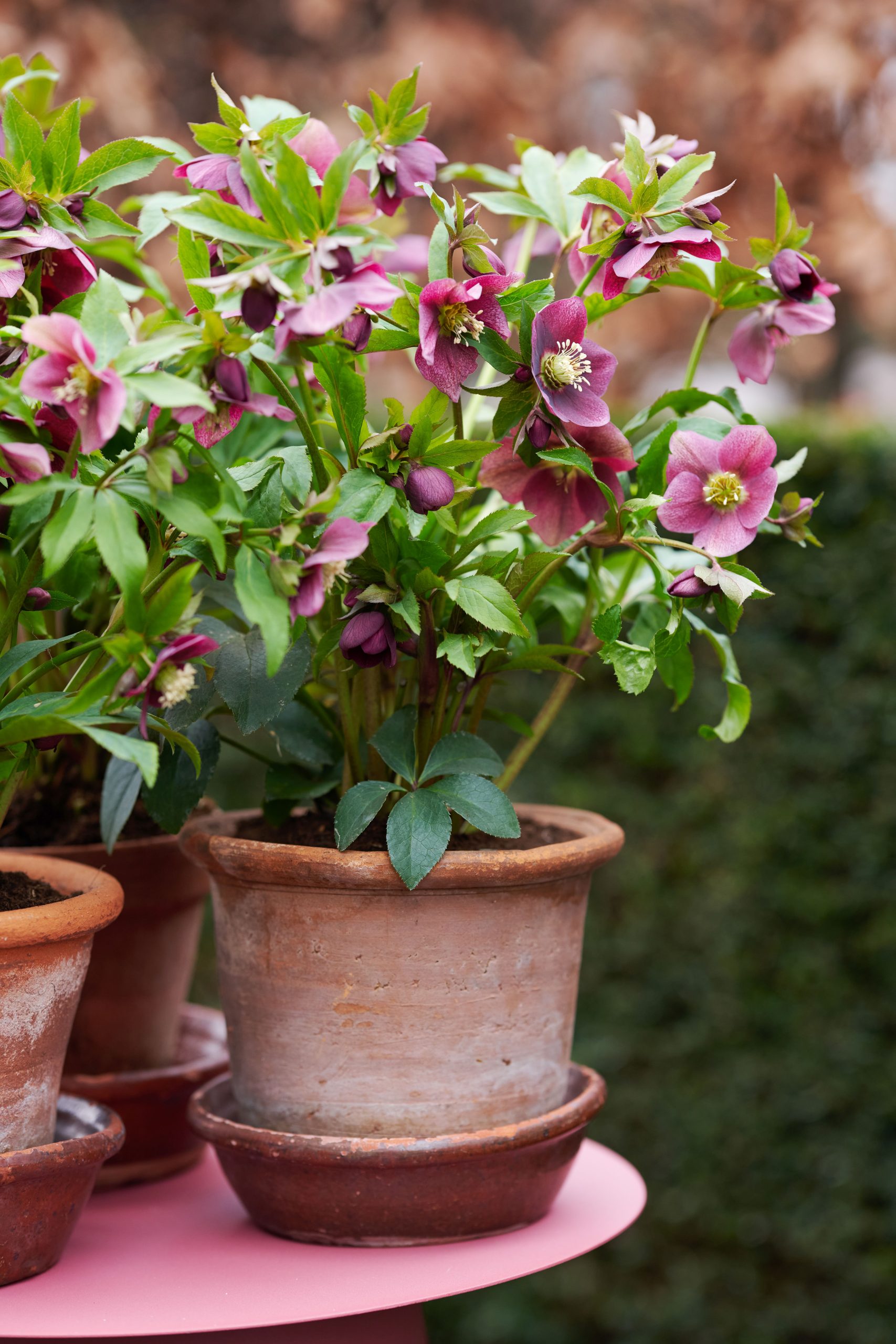
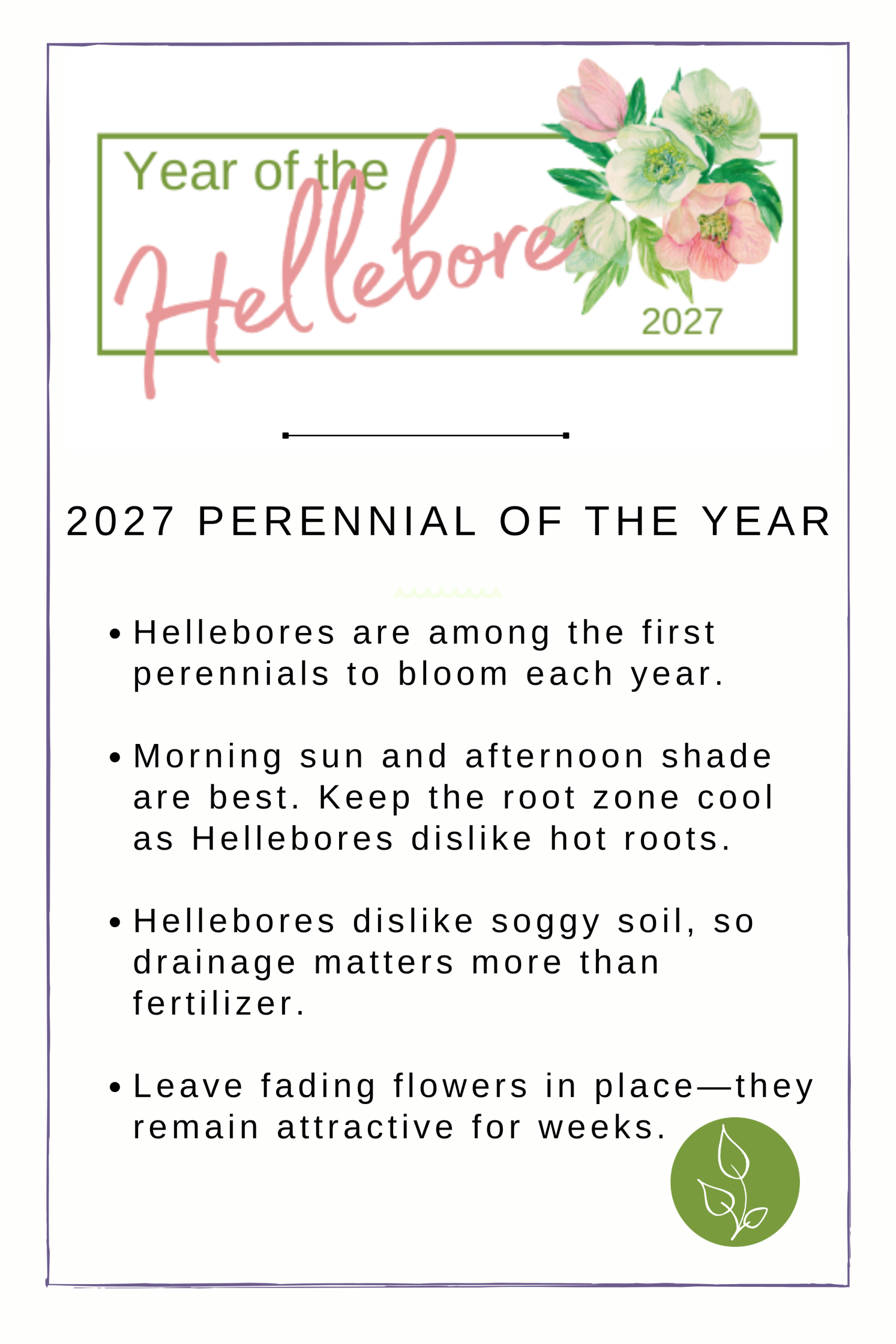
Hellebores grow best in partial shade, especially where they receive morning sun and protection from hot afternoon light. They are excellent choices beneath deciduous trees, where winter sunlight reaches the plants before the canopy fills in for summer. In cooler climates, they can tolerate more sun, while gardeners in warmer regions should provide more afternoon shade.
Next, prepare the soil before planting. Hellebores prefer rich, well-drained soil with plenty of organic matter. Mixing compost into the planting area improves both drainage and soil health. Although these plants enjoy consistent moisture, they do not tolerate standing water, especially during winter.
Plant once, enjoy hellebores for decades
Spring and fall are the best times to plant Hellebores because mild temperatures encourage strong root growth. Plant the crown at the same depth it was growing in the container, then water thoroughly. Finally, add a light layer of mulch to help conserve moisture and regulate soil temperature, as Hellebores do not like hot roots.
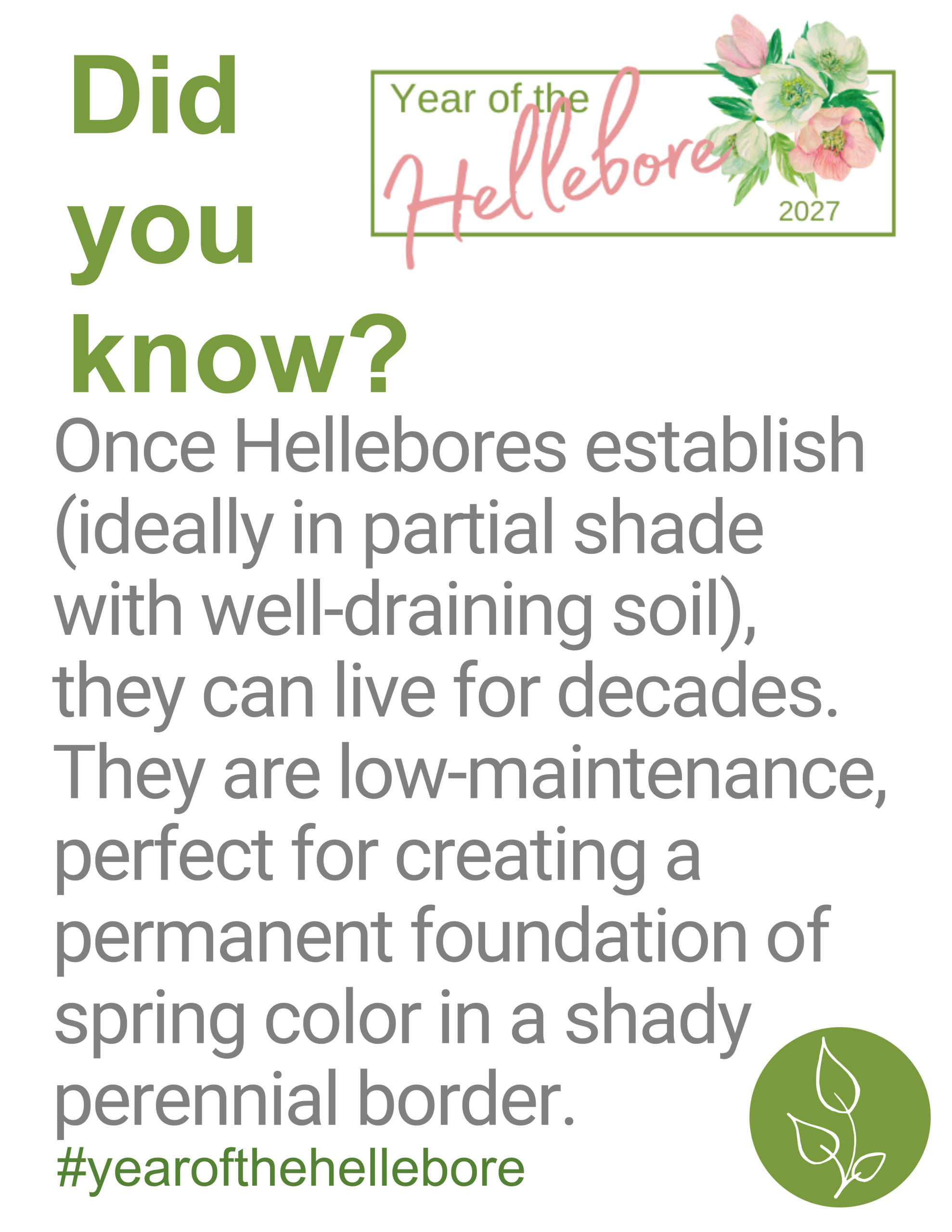
Because Hellebores dislike being moved once established, choose their location carefully. The reward is well worth it—many plants will thrive for 20 years or more, gradually forming larger, more impressive clumps each season.
Simple seasonal care for your hellebore
Hellebores require very little maintenance. During their first growing season, water regularly while the root system becomes established. After that, mature plants become surprisingly drought-tolerant and usually need extra water only during extended dry periods.
In late winter, remove any older or damaged leaves just before the flower buds begin to open. This simple task allows the blooms to take center stage, improves air circulation, and encourages fresh new growth. However, don’t rush to remove the flowers after they bloom. The colorful sepals remain attractive for weeks—even months—and gradually mature into beautiful shades of green, pink, or burgundy.
Each spring, apply a layer of compost or a balanced slow-release fertilizer to encourage healthy growth and abundant flowers. As a result, plants will continue to improve year after year.
Hellebores: a perennial worth waiting for
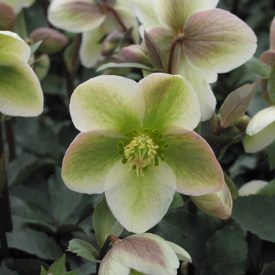
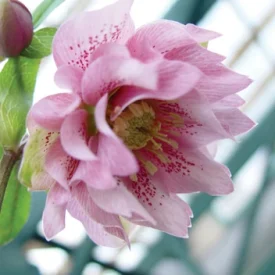
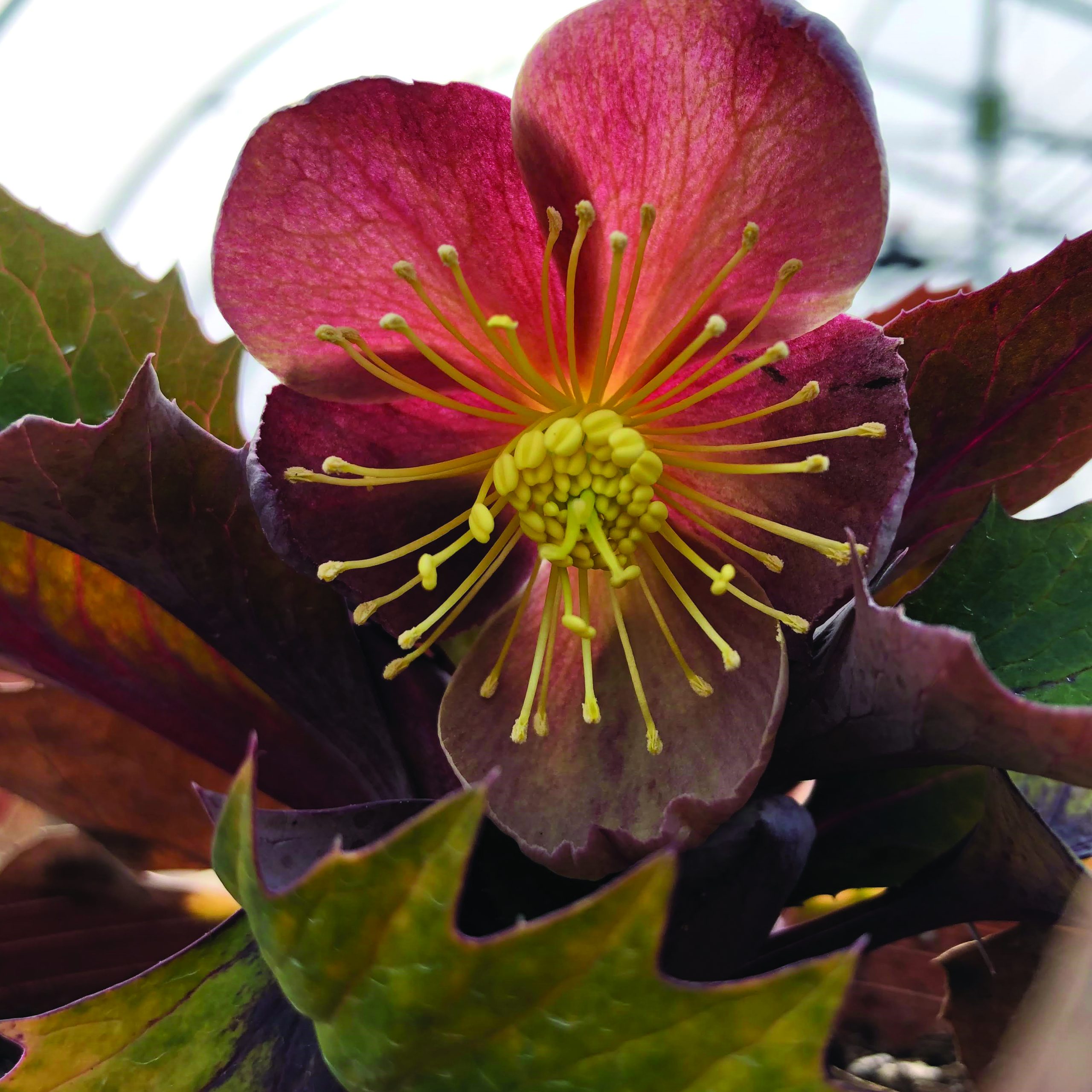
Few plants reward gardeners as generously as Hellebores. They bloom when the garden is still waking from winter, provide handsome evergreen foliage throughout the year, and ask for very little in return. Thanks to modern breeding, today’s gardeners can choose from an incredible range of flower colors, forms, and foliage patterns, making it easier than ever to find the perfect Hellebore for any landscape.
Whether you grow a classic Christmas Rose, a colorful Lenten Rose, or one of today’s remarkable interspecific hybrids, Hellebores offer something few other perennials can—a beautiful reminder that spring is always just around the corner.