How do you start basil from seed indoors?
Starting basil indoors gives you a head start and stronger, more established plants by the time warm weather arrives. Basil seeds germinate quickly, in just 5 to 10 days, when soil temperatures reach 65-70°F. A seedling heat mat, set to 70-80°F, is a worthy investment to provide fast, even germination. Sow seeds ¼” deep about 6 weeks before you plan to move plants outdoors.
Any tray or container will work for starting seeds. Once seedlings develop their first set of true leaves, pot them up into larger containers so they have room to grow robust and healthy.
Before transplanting, take a week to harden off your seedlings, gradually introducing them to the outdoors by extending their time outside a little more each day. This step toughens up young plants and helps them transition smoothly to growing outdoors. Your basil is ready for its permanent garden home once it has 3-4 sets of true leaves, nighttime temperatures stay reliably above 50°F, and daytime temperatures reach at least 60-70°F.
Direct sowing: No space to start indoors, no problem
Direct seeding into the garden is easy. Simply wait until your soil warms to 65-70°F, then plant seeds ¼” deep, spacing them 1″ apart in rows 18″ apart. Once your seedlings have their first true leaves, thin them to 4-8″ apart, giving each plant the space it needs to be productive.
How many basil seeds should you plant per pot?
Only a few seeds are needed for success. Basil is probably one of the easiest herbs to grow. The number one mistake made when growing basil is oversowing. Good quality seeds from our NGB members have a 90-99% germination rate. For example, in a 10-12″ container, three seeds are plenty! You will end up with three strong plants that have plenty of space to flourish.
Does basil do best in sun or shade?
Basil needs full sun, 6-8 hours of direct light a day. The soil should be well-draining and moderately rich. Give each plant plenty of room to thrive by spacing seedlings 4-8″ apart, with 18″ between rows.
What are good companion plants for basil?
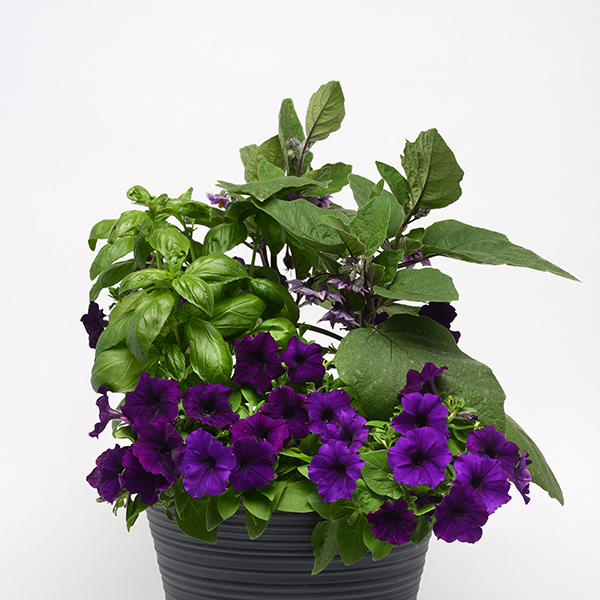
Think of other vegetables that taste good with basil! Vegetables like tomatoes, peppers, and eggplants, or root vegetables such as carrots, radishes, and beets, all grow well next to basil.
How to care for basil in the garden?
Provide consistent moisture for healthy plants. Water your basil plants at the soil line rather than overhead. This keeps leaves dry and helps prevent disease while ensuring roots get the water they need. Basil is sensitive to both drought stress and overwatering, so make sure the soil is consistently moist but not waterlogged.
As a light feeder, basil does not have high fertility needs: a balanced, all-purpose fertilizer at planting time is often all it needs. Throughout the season, let your plants’ leaves be your guide. Vibrant green leaves mean healthy plants, while pale or yellowing leaves signal it’s time for a boost. A diluted liquid fish fertilizer, applied every 4-6 weeks either as a foliar spray or watered at the base, gives your plants the nutrients they need to keep thriving.
How do you prevent basil downy mildew?
Basil downy mildew is caused by Peronospora belbahrii, a water mold (oomycete) rather than a true fungus. It thrives in cool, humid, and wet conditions and spreads rapidly via airborne spores. It remains one of the most serious threats to the crop today. The best way to prevent Basil Downy Mildew is to grow disease-resistant varieties, such as many of the recent AAS Winners. Learn more about Basil Downy Mildew prevention here.
How do you pinch basil to make it bushy?
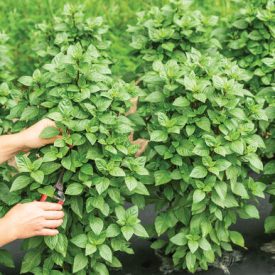
The trick to full, leafy plants is pinching. Once your plants reach about 6″ tall, pinch off the central stem. As the plant produces new branching stems, continue to pinch them back as well. Pinching encourages branching, transforming a single stem into a fuller, bushier plant with many more leaves to harvest. Pinching your plants throughout the season boosts your harvest and delays flowering, keeping your basil productive and flavorful from early summer into the fall.
How to use basil
Basil is best known for pesto, but its fresh, aromatic flavor can brighten everything from salads and sandwiches to soups, sauces, drinks, and desserts. For the boldest flavor, add fresh basil near the end of cooking or just before serving. Heat quickly softens its flavor and fragrance, so a final handful of torn leaves often makes the biggest impact.
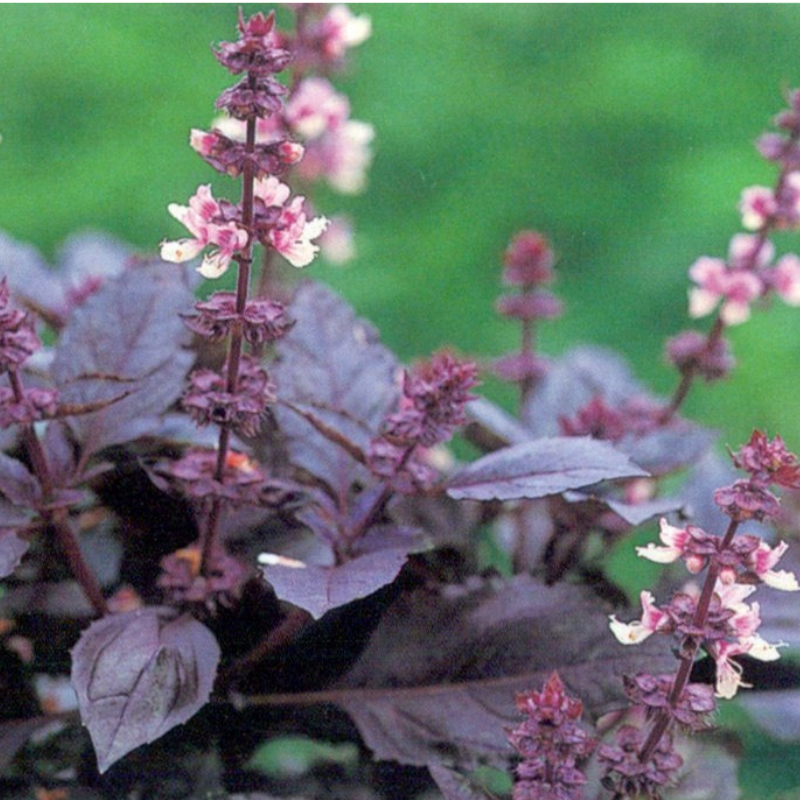
Classic sweet and Genovese basils are natural partners for tomatoes, mozzarella, garlic, olive oil, pasta, pizza, grilled vegetables, eggs, chicken, and seafood. Toss whole or torn leaves into green salads, layer them into sandwiches, blend them into dressings, or scatter them over roasted vegetables. Lettuce Leaf basil can be used as a flavorful wrap, while purple basil adds striking color to fresh dishes.
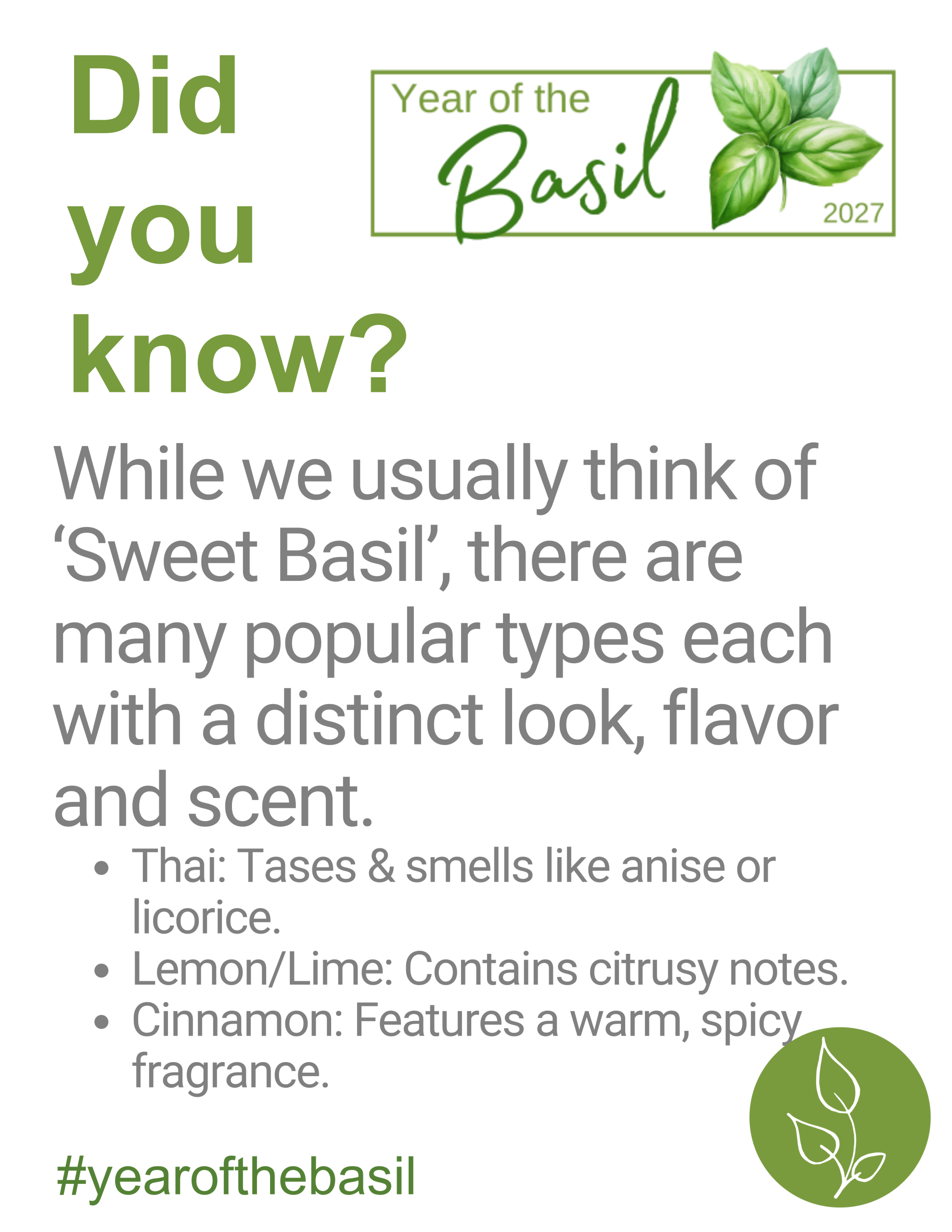
Different basil types invite different uses.
- Thai basil brings an anise-clove note to curries, noodle dishes, stir-fries, soups, and fresh spring rolls.
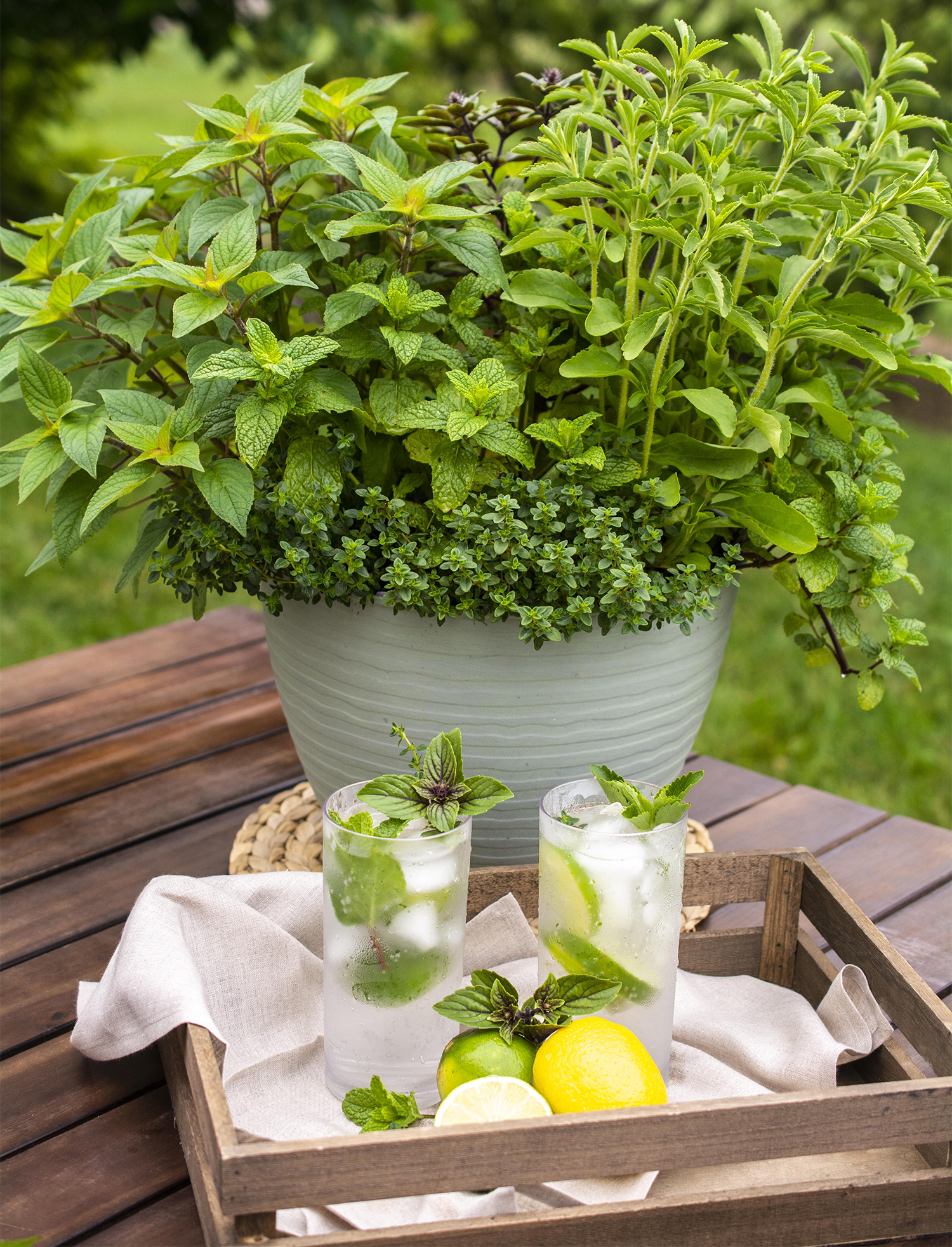
- Lemon basil is especially good with fish, fruit salads, iced tea, lemonade, and vinaigrettes.
- Cinnamon basil adds warm spice to teas, baked goods, fruit dishes, and herbal syrups.
How to harvest or pick basil
Harvest basil often to keep plants full, leafy, and productive. Begin once plants are about 6″ tall and have several sets of true leaves. For the best flavor, harvest in the morning after the dew has dried but before the heat of the day. Pinch or cut stems just above a leaf node, where two leaves meet the stem, to encourage new branching. Avoid removing more than one-third of the plant at one time, and pinch off flower buds as they appear to keep plants focused on leaf production.
How should I use or store basil?
Fresh basil is best used soon after harvest. For short-term storage, trim the stems and place them in a glass or jar of water, much like a small bouquet, then keep it at room temperature and change the water every day or two. Avoid storing basil in a cold refrigerator for long periods, as the leaves can darken and wilt. For longer storage, blend leaves into pesto, freeze chopped basil in olive oil, or dry leaves for use in soups, sauces, and cooked dishes.